
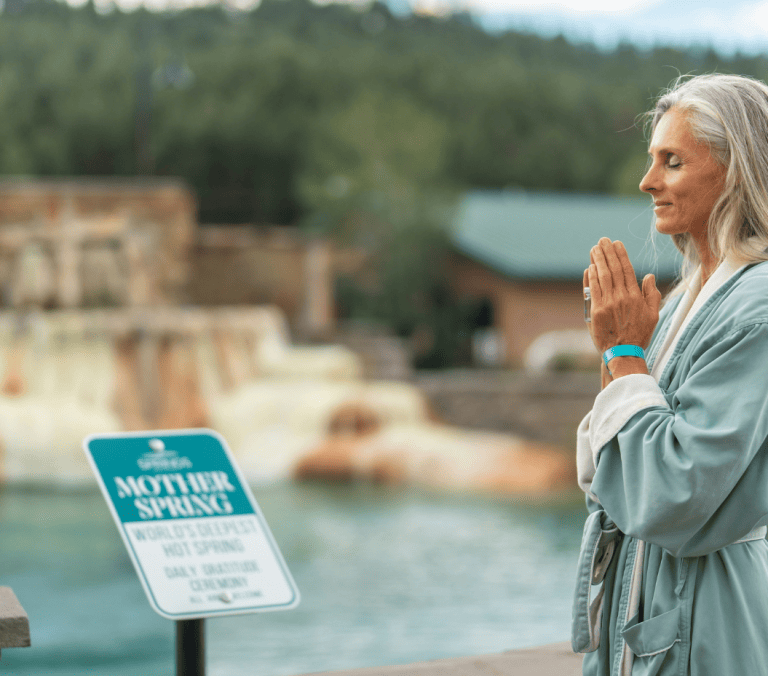
Why Slowing Down Strengthens the Brain
The brain is not designed to operate in high alert all day. When sensory input overloads the system, cortisol rises, and the prefrontal cortex, the region responsible for focus and decision making, becomes less efficient. This is why multitasking often leads to decreased productivity and increased mistakes. Slowing down shifts the nervous system into a regulated state where attention stabilizes and neural pathways strengthen. In this slower rhythm, the brain transitions from survival mode into learning mode. It reorganizes, repairs, and refines its structure and process. Over time, these micro moments of presence accumulate into stronger cognitive resilience.
Mindfulness and the Neurobiology of Focus
Scientific research shows that mindfulness practices increase activity in the dorsal attention network, which supports sustained focus, and decrease activity in the default mode network, which creates mental wandering and overthinking. This means mindfulness does more than simply relaxing you, it literally trains the brain to stay engaged with what matters. With consistent practice, neural pathways involved in concentration become more efficient, and regions responsible for emotional balance grow more robust. Mindfulness is a form of mental strength training, and its effects can be measured in both behavior and brain structure.
The Role of Gratitude in Cognitive Renewal
Gratitude is one of the simplest and most effective mindfulness practices because it shifts neural activity toward positive emotional states that support calm and clarity. When you acknowledge something meaningful, however small, the brain releases dopamine and serotonin, two neurotransmitters associated with motivation and well being. This simple shift lowers stress hormones and supports the prefrontal cortex, allowing for better memory, decision making, and emotional regulation. Gratitude is often mocked as superficial optimism but in reality it is a neurological intervention that improves the brain’s ability to recover from stress and remain vital and sharp.
Belonging, Connection, and the Collective Mind
The brain is inherently social. Connection is not a preference but a biological requirement for optimal function. Feelings of belonging activate neural pathways that reduce anxiety and increase resilience. When you feel connected to others, the brain produces oxytocin, which supports trust, empathy, and emotional safety. These states help regulate the amygdala, the region associated with threat detection. Mindfulness becomes more powerful when paired with human connection because it creates a supportive internal and external ecosystem. Even simple moments, such as eye contact, shared laughter, or a brief conversation, can shift the nervous system into a calmer, more coherent state.
Meaning and the Brain’s Higher Orientation
You do not need a spiritual identity to experience a sense of meaning or connection to something larger than yourself. The brain is wired for purpose. Research in contemplative neuroscience shows that activities involving reflection, creativity, nature, or service activate networks associated with positive mood, openness, and cognitive flexibility. These experiences soften stress responses and promote long term mental health. When the mind feels connected to a greater context, however defined, it becomes less reactive and more resilient. This sense of orientation helps stabilize attention, reduce overthinking, and expand perspective.
A Practical Mindfulness Sequence for Mental Clarity
A simple daily sequence can strengthen focus and support calm. Begin with two minutes of slow breathing to regulate the nervous system. Follow with a moment of gratitude and name one thing you appreciate right now. Allow the feeling to land. Then place attention on a single sensory experience, such as the sensation of sitting, the warmth of the hands, or the rhythm of breath. Finish by briefly acknowledging someone you care about or someone who supports your life in any way. This entire practice takes less than five minutes and builds a foundation of presence you can carry throughout your day.
The Future of Cognitive Vitality
Mindfulness is not an escape from modern life, it is a powerful way of engaging with it from a place of strength. Slowing down is not a sign of weakness, but a strategy that allows the brain to function at its highest potential. Through gratitude, connection, and presence, the mind becomes more adaptable, more focused, and more capable of navigating complexity. Cognitive vitality is not defined by age and depends on rhythm. When you learn to slow the mind, even briefly, you create the biological conditions for clarity and renewal.
ONE-DAY MINDFULNESS AND COGNITIVE RENEWAL ROUTINE
A simple, accessible rhythm that supports daily mental clarity and nervous system balance
This routine is designed to support focus, emotional stability, and cognitive longevity by gently regulating cortisol and strengthening the parasympathetic nervous system. It requires no equipment, no prior training, and no long time commitments.
Morning: Establish Cognitive Balance
1. Light and Breath Reset
Step outside or near a bright window for two minutes.
Take five slow breaths where the exhale is slightly longer than the inhale.
This begins cortisol regulation and prepares the brain for focus.
Take five slow breaths where the exhale is slightly longer than the inhale.
This begins cortisol regulation and prepares the brain for focus.
2. Two Minute Gratitude Primer
Write or name one thing you appreciate right now.
Allow yourself to feel the appreciation, not just think it.
This simple feeling state increases dopamine and improves attention.
Allow yourself to feel the appreciation, not just think it.
This simple feeling state increases dopamine and improves attention.
3. Single Focus Start
Begin your day by doing one task with your full attention for three minutes.
Drink water. Make your bed. Open a window.
This conditions the brain for presence
Drink water. Make your bed. Open a window.
This conditions the brain for presence
Midday: Restore Calm and Reset Attention
1. Sensory Break
Close your eyes or soften your gaze for sixty seconds.
Notice the sensations of breath or the feeling of your feet on the floor.
This interrupts overwhelm and lowers stress hormones.
Notice the sensations of breath or the feeling of your feet on the floor.
This interrupts overwhelm and lowers stress hormones.
2. Connection Moment
Send a quick message to someone you care about.
Acknowledgment activates neural pathways of belonging and empathy.
Acknowledgment activates neural pathways of belonging and empathy.
3. Mindful Meal Practice
For one minute before eating, pause and take three breaths.
Take in your meal and connect with the concept of nourishing your body..
This strengthens appreciation and improves digestion.
Take in your meal and connect with the concept of nourishing your body..
This strengthens appreciation and improves digestion.
Afternoon: Strengthen Focus
1. Nature Microdose
Step outside for five minutes or look at a tree or plant.
Natural imagery calms the amygdala and improves prefrontal cortex function.
Natural imagery calms the amygdala and improves prefrontal cortex function.
2. The Three Breath Reset
Before switching tasks, inhale deeply, exhale slowly, and repeat twice more.
This clears mental residue and strengthens cognitive switching.
This clears mental residue and strengthens cognitive switching.
Evening: Transition Into Neural Recovery
1. Low Light and Slow Movement
Dim lights one hour before bed.
Stretch gently or take slow steps around your space.
The nervous system begins to shift into repair mode.
Stretch gently or take slow steps around your space.
The nervous system begins to shift into repair mode.
2. Meaning Reflection
Write one sentence about something you learned, contributed, or felt connected to today.
This practice activates neural circuits associated with purpose and psychological resilience.
This practice activates neural circuits associated with purpose and psychological resilience.
3. Stillness Practice
Sit quietly for one to two minutes and breathe naturally.
This final moment of calm supports deeper sleep and overnight neural recovery.
This final moment of calm supports deeper sleep and overnight neural recovery.
Don't Miss Out!
Sign up for deals, news & more.