The Rise of Drive-to Wellness Resorts in Colorado
| The Quick Read |
|---|
|
• By 2030, 70% of U.S. travel spending will be domestic. • Wellness trips now make up 17.6% of tourism spending, up from 14.2% in 2019. • 45% of wellness retreat revenue comes from repeat clients, signaling a shift from luxury escape to regular ritual. Colorado sits at the center of this shift, and The Springs Resort embodies the drive-to wellness model at scale. |
A Shift Toward Regional Wellness Travel
Tourism is no longer defined by long-haul, bucket-list retreats. Instead, it is increasingly shaped by frequency, accessibility, and wellness benefits.
Recent data from McKinsey shows that by 2030, domestic travel will represent 70% of U.S. travel spending.1 At the same time, the wellness sector as a whole has doubled in size since 2013.2 Specifically, the wellness tourism is seeing significant growth:
• The wellness tourism industry as a whole is projected to grow by 9.1% between 2024 and 2029.2 This is a number that has steadily continued to grow.
• In 2019, wellness trips accounted for 6.3% of all tourism trips and represented 14.2% of all tourism spending. In 2024, wellness trips grew to 8.3% of all trips and 17.6% of tourism spending.2
Together, these forces are driving a clear outcome: wellness travel is becoming closer to home and more habitual. This transition is not just about convenience. It reflects a deeper change in how consumers think about wellness. Travelers are transitioning from using vacations as one-time luxury escapes to a regular ritual that is part of their everyday life.
The Emerging Wellness Tourism Industry
As the wellness industry grows, businesses are succeeding that not only focus on rest and relaxation, but those that capitalize on trending areas of wellness. Some examples include:
• Close contact with the natural world often with a focus on lower-tech, human connected experiences 2
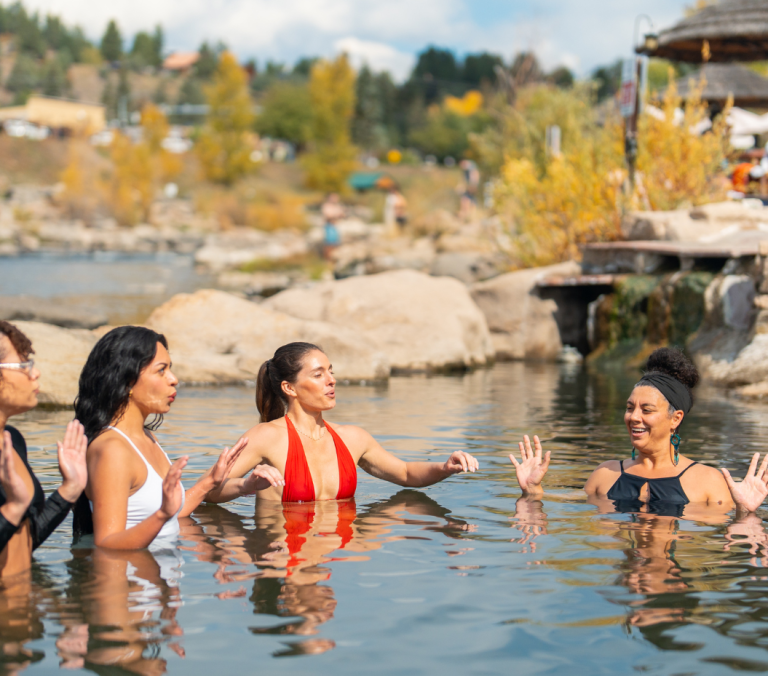
• Water-based wellness, such as social bathhouses, saunas, and hydrotherapy 2
• Specialized offerings, such as alcohol-free retreats, sports recovery, or menopause retreats 2
• Clinical, medicalized, and hightech programs, building on the recent preoccupation with longevity medicine and biohacking 2
Who is the Wellness Traveler?
When we look at the data of who the typical wellness traveler is, we see there is no one archetype. While the data skews a bit heavier toward females ages 25-44, we still see a significant amount of men outside of that age range as wellness travelers. And while a portion earn over $100,000, the majority do not. See below for an overview of the wellness traveler.
Overview of the Wellness Traveler 3
| Stat | Demographic |
|---|---|
| 51% | Ages 25-44 |
| 62% | Female |
| 28% | Have an annual income over $100,000 |
| 20% | Use retreats as a form of wellness insurance to prevent burnout |
| 18% | Have a chronic health conditions and attend retreats for management |
| 50% | Report that post-retreat wellness habits are maintained for 6+ months |
| 45% | Of wellness retreat revenue comes from repeat clients |
What we do see is that many wellness travelers are repeat customers, and that wellness travelers are using these retreats as a way to manage stress in their everyday life whether that is burnout or a chronic health condition. We are also seeing they are effective, with half of attendees noting they maintain these habits for 6+ months.
The Rise of the Drive-To Destination in Colorado
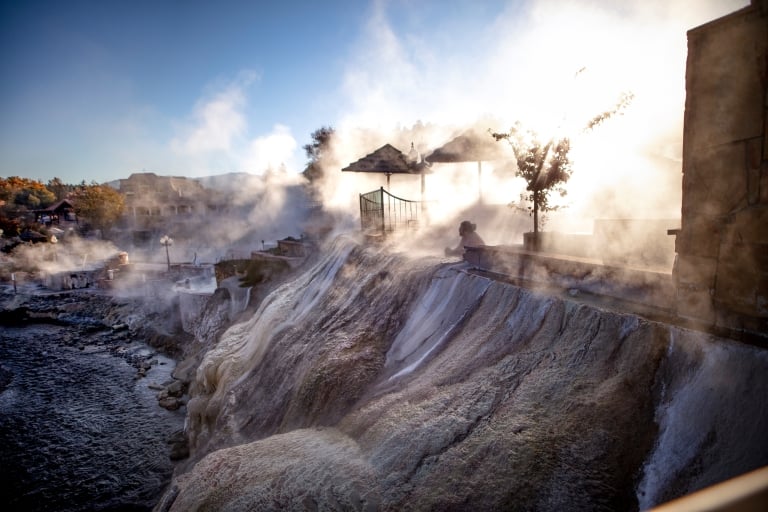
Colorado is a prime location for habitual wellness tourism. The combination of mountain environments, geothermal resources, and year-round outdoor access means the state has a significant amount to offer for wellness tourists. With more than 100,000 total square miles across the state, travelers can opt for shorter but more frequent trips where they can experience these diverse natural attributes without leaving the state. For example, Colorado offers:
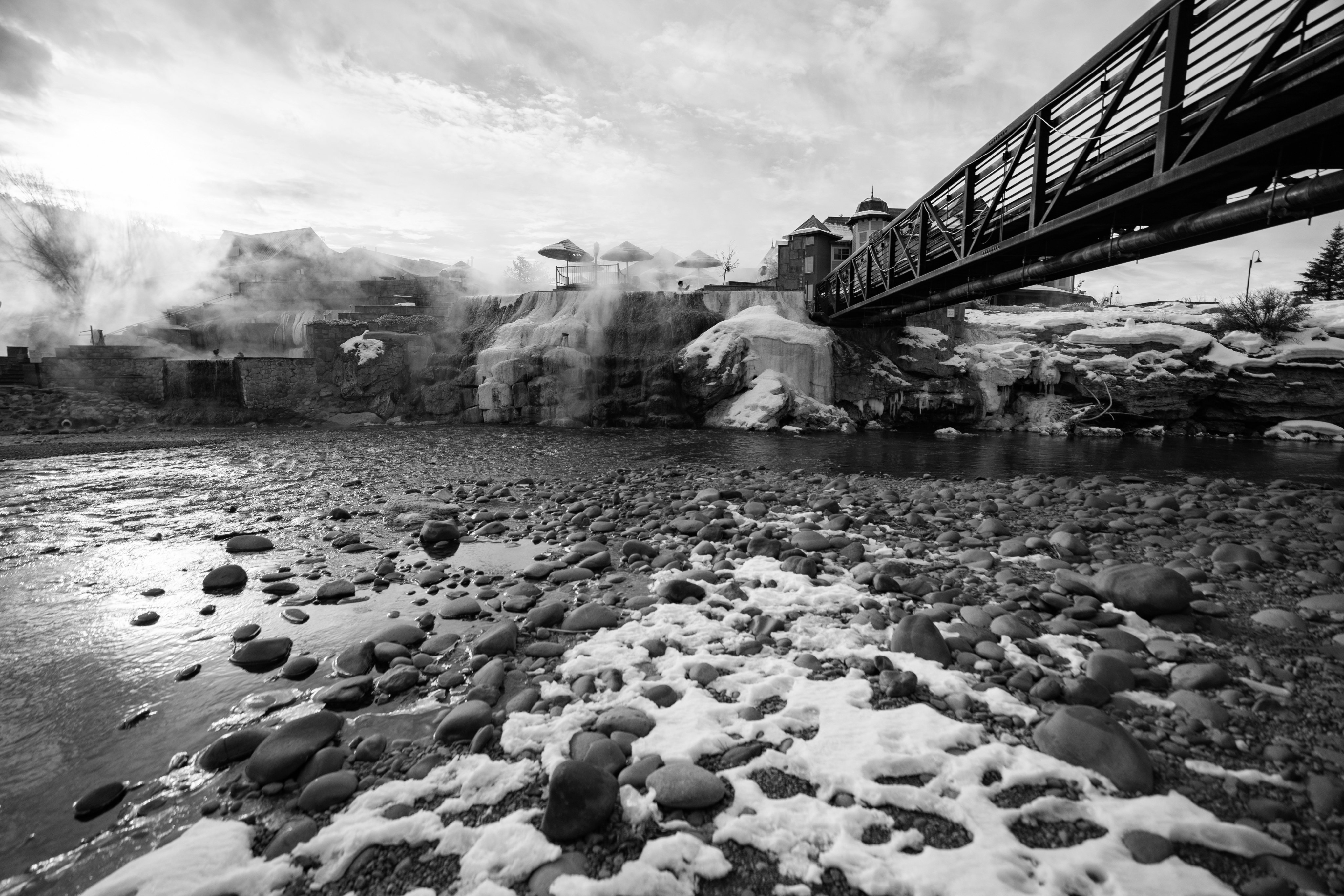
• Hot Springs: More than 30 developed hot spring destinations, including Pagosa Springs, home of The Springs Resort, Radium Hot Springs, Steamboat Springs, and more)
• Mountains: A significant number of mountain clusters (San Juan Mountains, Front Range Mountains, etc.)
Colorado is also uniquely positioned to benefit from the rise of drive-to wellness given its strong existing tourism infrastructure.
| Colorado Tourism Metrics | 2025 Data |
|---|---|
| Annual visitors | 95.4 million 4 |
| Tourism spending | $28.5 billion 4 |
Case Study: A Scaled Model of Drive-To Wellness
As the category matures, a clear set of benchmarks is emerging for what constitutes a leading destination. Destinations that combine accessibility with depth of experience are setting the standard, and Colorado is continuing to see wellness resorts pop up that strive to meet these criteria.
At The Springs Resort, this model is executed at a level of scale that is uncommon in North America.
| Criteria | Expectation |
|---|---|
| Accessibility | Within a half-day drive |
| Natural assets | Water, mountains, geothermal resources |
| Experience depth | Multiple wellness modalities |
| Wellness credibility | Evidence-based programming |
Colorado’s New Growing Tourism Sector
What is emerging in Colorado is not just a tourism trend, but a new category: regional wellness retreats. Drive-to wellness resorts are repeat-use health destinations that are seen as an extension of personal wellness routine. This shift reflects a broader change in consumer behavior where wellness is no longer a one-time luxury, but it is integrated into lifestyle as a way to protect against stress and its negative impacts.
Colorado sits at the center of this shift, and destinations that combine accessibility, natural assets, and credible wellness programming are positioned to lead. The result is a new model of wellness tourism that is defined not by distance traveled, but by frequency and quality of experience.
Experience the Drive-To Wellness Model Firsthand
Colorado’s new wellness tourism category isn’t an abstraction; it’s something you can experience this weekend. Plan your stay at The Springs Resort and see why regional wellness travel is replacing the long-haul retreat.
Frequently Asked Questions
What is a drive-to wellness resort?
A drive-to wellness resort is a regional wellness destination accessible within a half-day drive, designed for repeat visits rather than once-in-a-lifetime trips. These resorts combine natural assets like hot springs, mountains, and hydrotherapy with structured wellness programming that travelers can integrate into their everyday routines.
Why is Colorado a top wellness travel destination?
Colorado offers more than 30 developed hot springs, multiple major mountain ranges, and a well-established tourism infrastructure with 95.4 million annual visitors. Its size and geographic diversity allow travelers from neighboring states to access wellness experiences without long-haul travel.
How often do wellness travelers visit retreats?
Repeat visits are the norm rather than the exception. 45% of wellness retreat revenue comes from repeat clients, and 50% of guests report maintaining post-retreat wellness habits for 6+ months, reinforcing why regional, accessible destinations are growing faster than far-flung alternatives.
What makes The Springs Resort different from other Colorado hot springs?
The Springs Resort features 50+ geothermal pools fed by a Mother Spring containing 13 therapeutic minerals, one of the most comprehensive mineral profiles in North America. It is also the only hot springs resort in the U.S. with a dedicated naturopathic Medical Director overseeing wellness programming.
.
References
1. McKinsey & Company. (2024, May 29). The trends shaping tourism in 2024. McKinsey. Retrieved 2026, from https://www.mckinsey.com/industries/travel/our-insights/now-boarding-faces-places-and-trends-shaping-tourism-in-2024
2. Global Wellness Institute. (n.d.). Wellness Industry Research, 2025 Global Wellness Economy Monitor. Global Wellness Institute. Retrieved 2026, from https://globalwellnessinstitute.org/industry-research/2025-global-wellness-economy-monitor/
3. Pemberton, N., Brennan, P., & Ellis, M. (2026, August). Wellness Retreat Industry Statistics. https://zipdo.co/wellness-retreat-industry-statistics/
4. Office of Economic Development and International Trade. (2025, December 5). OEDIT 2025 Wrapped. OEDIT.colorado.gov. https://oedit.colorado.gov/blog-post/oedit-2025-wrapped
Don't Miss Out!
Sign up for deals, news & more.