
Things to Do in Pagosa Springs, Colorado: A Complete Visitor's Guide
Pagosa Springs sits at roughly 7,100 feet in southwest Colorado, wrapped by the San Juan Mountains and nearly three million acres of national forest. The town is best known for its geothermal water, which the Southern Ute Tribe named Pagosa, meaning healing waters, but the hot springs are the anchor of a trip rather than the whole of it.
Within a short drive you can ski the snowiest resort in Colorado, hike to Ancestral Puebloan great houses, fly fish Gold Medal water, and drive over the Continental Divide. Downtown is walkable, the San Juan River runs through the middle of it, and most of the best experiences are within twenty minutes of the main street.
This guide covers what to do, when to go, and how to structure a visit.
Pagosa Springs at a Glance
| Question | Quick Answer |
|---|---|
| Where is it? | Southwest Colorado, in the San Juan Mountains, roughly an hour east of Durango |
| Elevation | Roughly 7,100 feet in town, higher in the surrounding mountains |
| Best known for | Natural geothermal hot springs, including the world’s deepest, and Wolf Creek Ski Area |
| How long to stay | Two to four nights covers the highlights without rushing |
| Best season | Every season works. Summer for rivers and trails, fall for foliage, winter for snow and soaking |
| Nearest airports | Durango-La Plata County (roughly 1 hour), Albuquerque (roughly 3.5 hours) |
Soak the Hot Springs
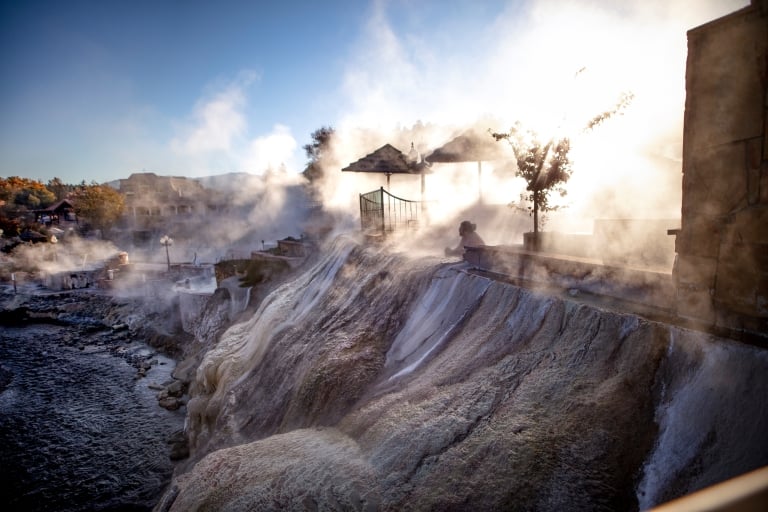
The geothermal water is the reason most visitors come, and Pagosa’s resource is genuinely unusual. The Springs Resort sits along the San Juan River in the middle of downtown, built around the Mother Spring, the world’s deepest geothermal hot spring at 1,002+ feet, verified by Guinness World Records, carrying 13 naturally occurring therapeutic minerals.
Soaking options span 50+ geothermal pools across a wide temperature range, from cold plunges around 35°F to hot pools reaching roughly 112°F, with riverside pools set directly above the water and adults-only areas for quieter soaking. Overnight guests receive 24-hour unlimited access, which opens up sunrise and after-dark sessions.
A common first-time approach is to start in a warm pool around 98°F to 100°F, move into something hotter, cool off outside or in a cold plunge, and repeat. Take breaks, drink more water than feels necessary at elevation, and exit if you start to feel lightheaded.
Ski Wolf Creek
Wolf Creek Ski Area sits about 23 miles east of town at the top of Wolf Creek Pass, roughly a 40-minute drive. It averages more than 430 inches of snow annually, the most of any Colorado ski area, across more than 1,600 acres of terrain.
It has stayed family-owned since 1976, and the experience reflects that: lower ticket prices, short lift lines, and no resort village. There is terrain for every level, including a strong beginner area and a ski school for younger children. For anyone who has skied the I-70 corridor, the contrast in crowding is the main thing they notice.
Winter also brings snowshoeing, cross-country skiing, snowmobiling, ice skating, dog sledding, and sleigh rides in the surrounding forest.
Visit Chimney Rock National Monument
Chimney Rock preserves more than 200 Ancestral Puebloan homes and ceremonial structures on a high mesa about 20 miles west of town, tied culturally to Chaco Canyon in New Mexico. The great house at the top sits between two stone spires, positioned to align with a lunar standstill that occurs roughly every 18.6 years.
Guided walking tours run seasonally, typically mid-May through September, alongside full moon programs and night sky viewing events. The site is at 7,000 feet with an uphill walk to the great house, so allow time and bring water.
Get on the San Juan River
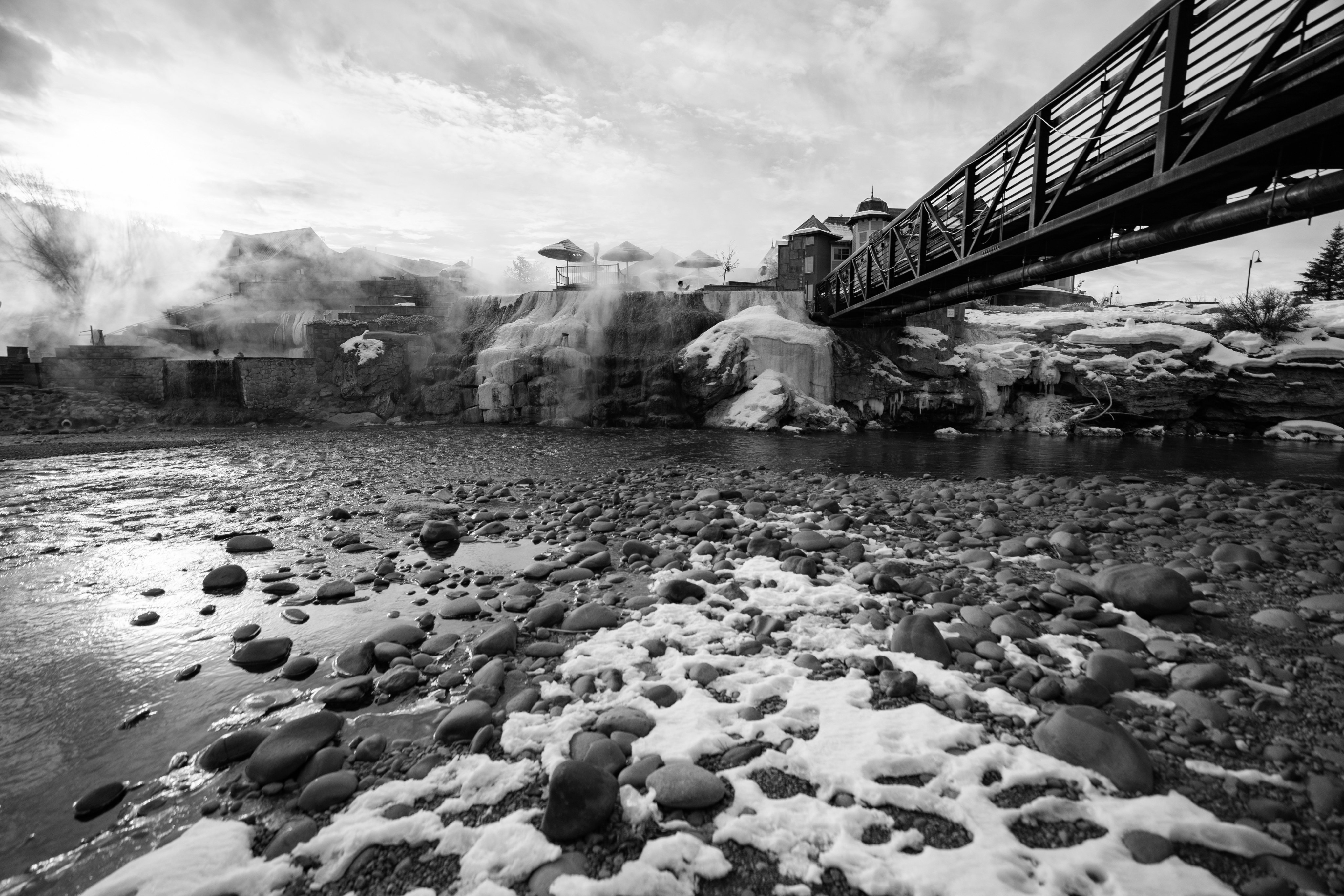
The San Juan runs directly through downtown, which makes it unusually accessible. In early summer, commercial rafting trips run when flows are high, generally May through August. As flows drop, the same stretch becomes ideal for tubing, and rental outfitters sit within walking distance of the water.
The downtown whitewater park is popular with kayakers and is fun to watch even if you are not getting in. Riverwalk trails follow the banks and connect the pools, downtown restaurants, and shops on foot.
Anglers fish the San Juan for trout year-round, with the downtown stretch stocked multiple times each summer.
Fish the Surrounding Water
Beyond the San Juan, the area holds a dense concentration of fishing water. Williams Creek Reservoir, about an hour north via Piedra Road, is known for kokanee salmon and trout with a dramatic mountain backdrop. Navajo State Park to the south is Colorado’s second-largest body of water, suited to boating and water skiing as well as fishing. Alpine lakes and creeks throughout the San Juan National Forest hold cutthroat and brook trout.
Hike the San Juan National Forest
Trail options range from short waterfall walks to multi-day routes on the Continental Divide Trail.
Treasure Falls is the easiest win, a 100-foot waterfall visible from the parking area with a short steep trail to a closer viewing platform, located on the way up Wolf Creek Pass.
Piedra Falls is a moderately easy hike to a set of falls in a narrow gorge, good for picnicking and wildlife watching.
Piedra River Trail runs 11 miles one way through river canyon terrain, with wildflowers and strong birdwatching. Many hikers do a shorter out-and-back section.
Reservoir Hill Park sits right in town with walking, running, and mountain biking trails, plus a disc golf course and an amphitheater that hosts events through the summer.
Continental Divide Trail access near Wolf Creek Pass offers high alpine day hiking with long views across the San Juans.
Drive Wolf Creek Pass
Wolf Creek Pass climbs east from town over the Continental Divide at just under 11,000 feet on US-160. The road is paved and well maintained, and the drive takes in Treasure Falls, the West Fork Valley Overlook, and the summit itself.
From the summit, Forest Road 402 leads to Lobo Overlook, which offers one of the widest views in southwest Colorado. A separate scenic detour via Park Creek Road leads to Summitville, a historic mining site deep in the San Juans.
In winter, check conditions before driving. The pass gets substantial snow and can close in storms.
Explore Downtown
Downtown Pagosa Springs is compact and walkable, running along the San Juan River. Restaurants, galleries, and locally owned shops sit within a few blocks of the hot springs, and the town supports several award-winning craft breweries.
The Pagosa Springs Center for the Arts runs seasonal theater and music programming, and summer brings festivals and events to Reservoir Hill and the downtown park spaces.
Other Things Worth Doing
Hot air ballooning over the valley at sunrise, with regular wildlife sightings below
Horseback riding through alpine meadows in the surrounding forest
Rocky Mountain Wildlife Park, home to native Colorado species including elk, deer, mountain lions, and bears
Golf and disc golf, with a 27-hole course and two 18-hole disc golf courses
Stargazing, which is exceptional at 7,100 feet with minimal light pollution
Mesa Verde National Park, less than two hours west, with cliff dwellings dating to around 1190 AD
When to Visit
| Season | What to Expect | Best For |
|---|---|---|
| Winter | Deep snow at Wolf Creek, cold air over warm pools, quiet town | Skiing, soaking, holiday trips, couples |
| Spring | Fewer crowds, mud season on lower trails, rising river flows | Value, quiet soaking, wellness stays |
| Summer | Rafting and tubing, long daylight, full trail access | Families, hiking, river recreation |
| Fall | Aspen color through the San Juans, cool evenings, comfortable soaking | Foliage, photography, weekend escapes |
How Long to Stay
Two nights covers the hot springs, downtown, and one major outing such as Chimney Rock or Wolf Creek. Three to four nights lets you add hiking, a river day, and a scenic drive without compressing anything.
Many visitors underestimate how much the elevation shapes the first day. Building in a slower arrival, with soaking rather than strenuous hiking, tends to make the rest of the trip better.
Frequently Asked Questions
What is Pagosa Springs best known for?
Its geothermal hot springs, including the world’s deepest geothermal hot spring at 1,002+ feet, verified by Guinness World Records, and its proximity to Wolf Creek Ski Area, which averages the most snowfall of any Colorado ski area.
How many days do you need in Pagosa Springs?
Two to four nights. Two covers the essentials, and four allows for hiking, a river day, Chimney Rock, and unhurried soaking without a packed schedule.
What is the closest airport to Pagosa Springs?
Durango-La Plata County Airport is roughly an hour west. Albuquerque International Sunport is about three and a half hours south and often offers more flight options.
Is Pagosa Springs good for families?
Yes. Family-friendly hot springs pools, river tubing, easy hikes like Treasure Falls, Wolf Creek’s ski school, and sledding at Reservoir Hill all work well for a range of ages.
Can you visit Pagosa Springs in the winter?
Yes, and many visitors consider it the best season. Wolf Creek gets more snow than anywhere else in the state, and soaking outdoors in cold mountain air is the experience most guests remember. Check Wolf Creek Pass conditions before driving in storms.
Where should you stay in Pagosa Springs?
Staying downtown puts restaurants, the river, and the hot springs within walking distance. Overnight guests at The Springs Resort receive 24-hour unlimited pool access, which allows for sunrise and after-dark soaking that day visitors do not get.
To plan a visit to The Springs Resort, visit pagosahotsprings.com
Don't Miss Out!
Sign up for deals, news & more.