History of the Wetlands
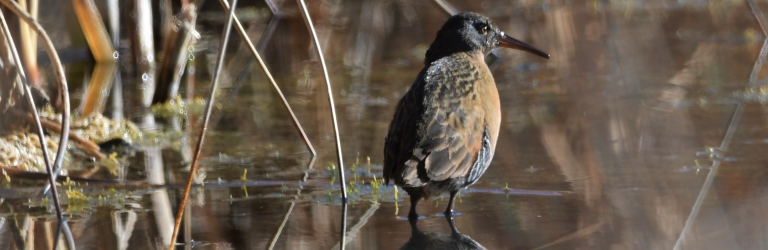
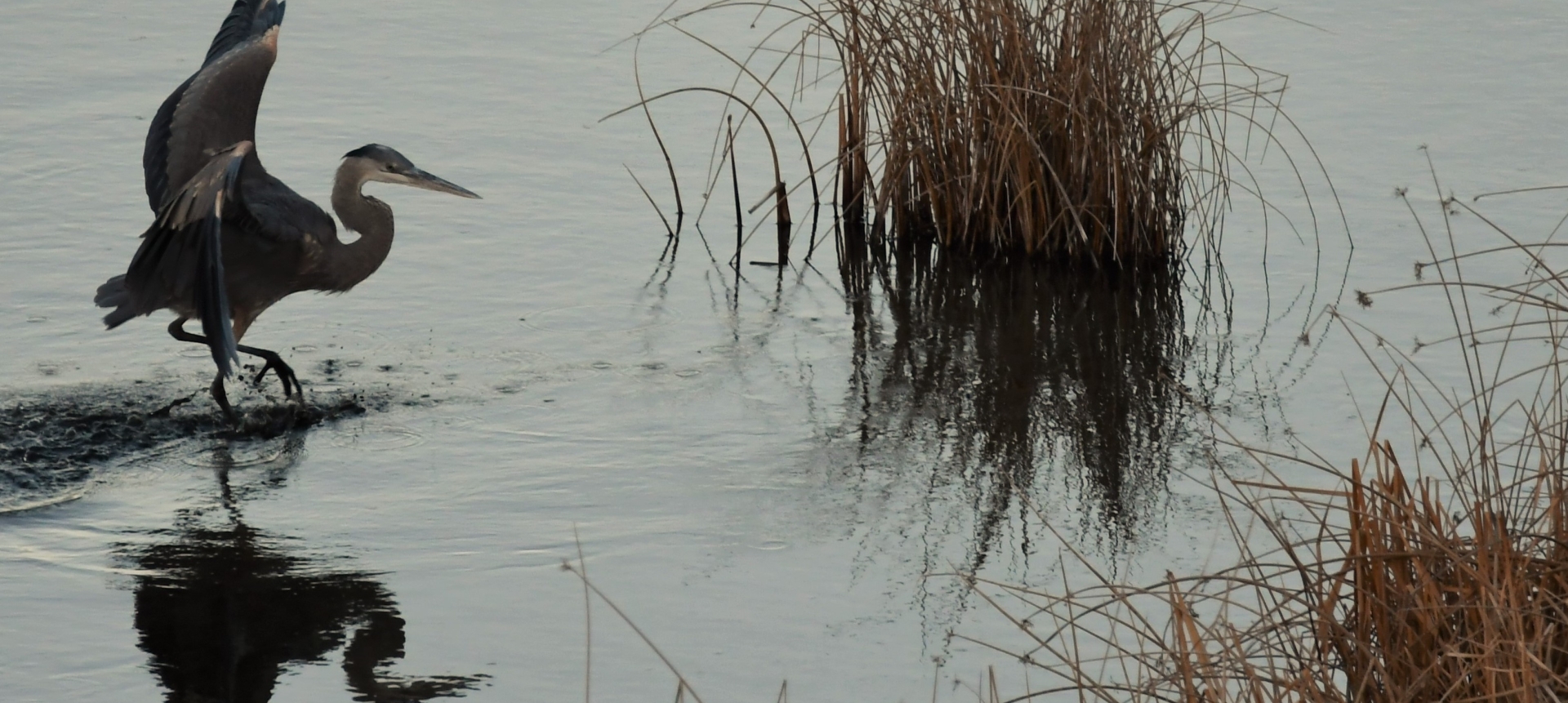
Virginia Rail along Riverwalk. Photo by Barry Knott.
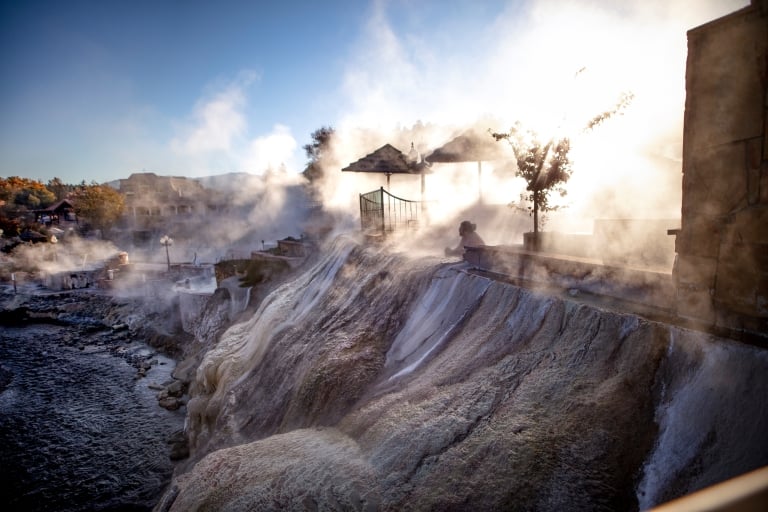
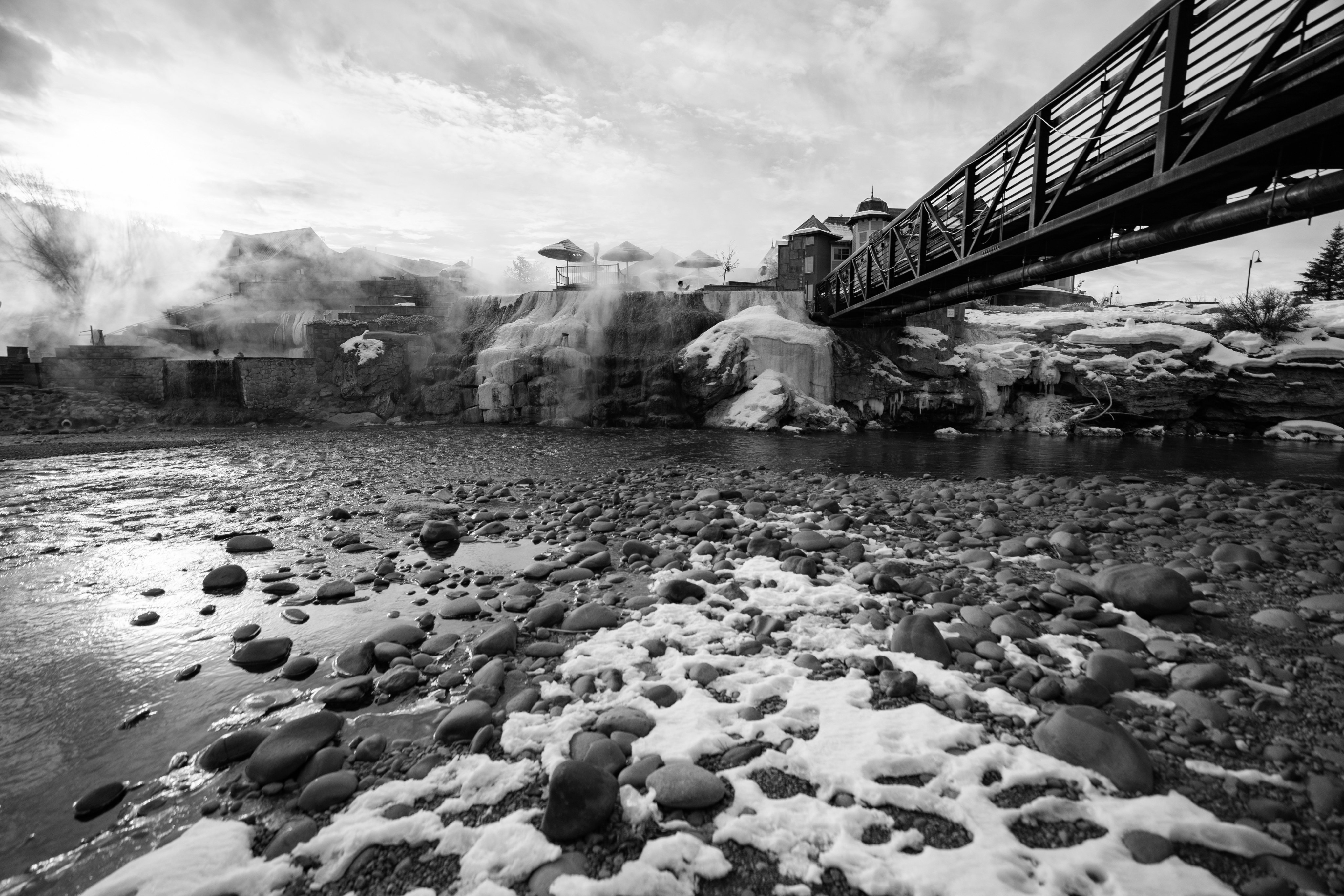
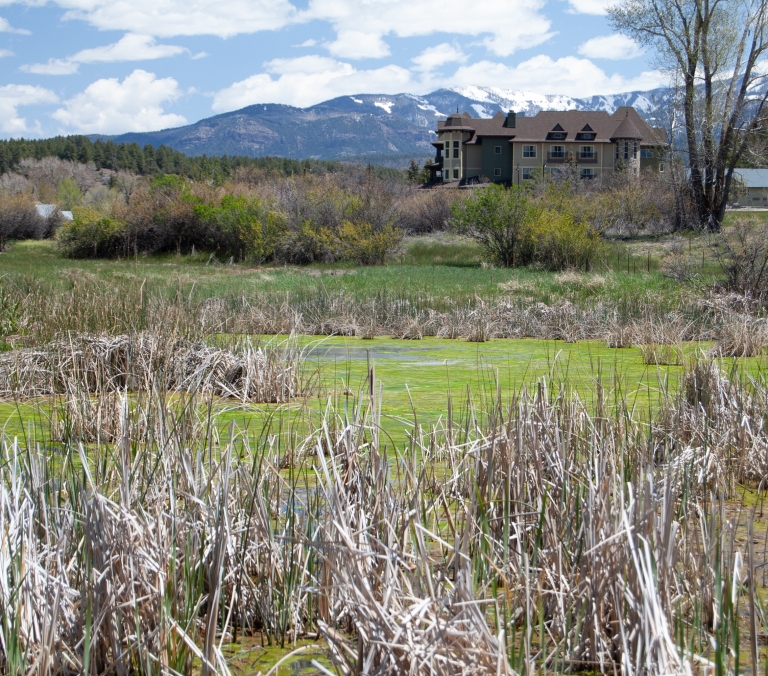
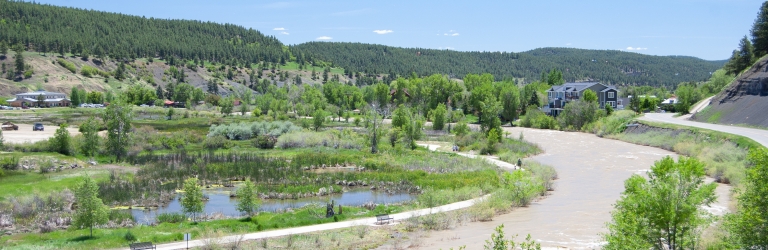
Colorado is only about 3% covered with wetlands, and many people are unaware of the 15 acres of protected wetland habitat right along the banks of the San Juan River. The wetlands of Pagosa Springs are particularly unique because they are geothermal wetlands created through the flow of hot water from natural hot springs. Geothermal wetlands in colder climates provide an exciting ecosystem for wildlife and plants, especially in the winter. Given Pagosa’s snowy winters, it’s no surprise that the wetlands provide a year-round haven for waterfowl, raptors, and migratory birds, making it an important place in the Pagosa community.
According to Pike, The Spring Resort’s geothermal contribution is “a very significant water source for the wetlands,” being a primary driver of the wetlands’ elevated water temperatures and shaping the water’s chemical composition.
“That’s what’s critical – in a way – about The Springs’ input.” Josh notes, “It provides one of the big anchoring water sources… a wetland can change a lot depending on the composition and flow rates.”
Accessibility and Citizen Scientists
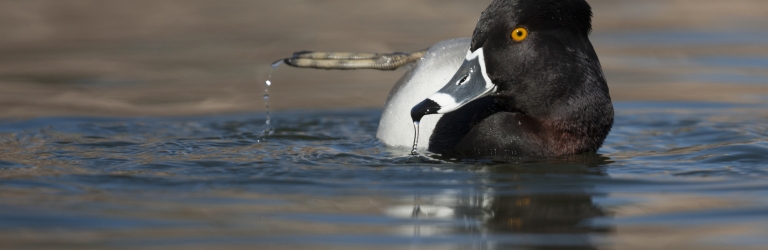
Ringneck Duck. Photo by Darryl Saffer.
Because of this wetland’s prime location and easy accessibility, the Pagosa Riverwalk Wetlands have become a significant citizen scientist hub with individual and group efforts to document the inhabitants and trends of the wetlands.
“We have an incredibly dedicated community to the riverwalk area… The bird diversity and the patterns are well-studied, so you can see more changes,” Pike stated.
Unique Waters
The geothermal waters are also unique because they provide open and accessible waterways year-round, which is beneficial for overwintering wildlife. Green-winged teal ducks, among other waterfowl, can overwinter here in Pagosa Springs despite harsh weather conditions with access to the warm geothermal waters that prevent open water from freezing.
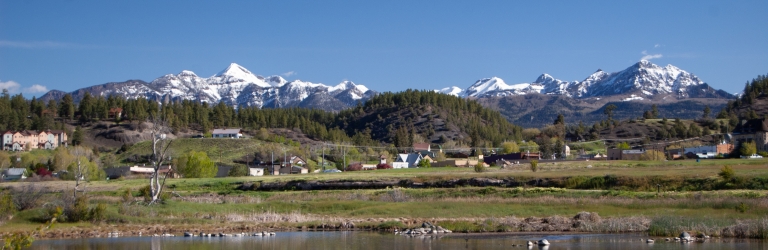
The resort expansion began in April 2023 and is expected to be completed in 2025. The development will include 79 new rooms and 25 additional geothermal pools.
With this significant expansion, the resort is dedicated to preserving the habitat and protecting the inhabitants of the wetlands. The resort listened to the feedback and concerns from Pagosa Wetland Partners and the community, changing its plans for a glass greenhouse enclosure on the property and reducing the number of glass windows on the new building. These simple design changes can significantly impact wildlife in the area. The Springs Resort has also committed to reporting instances of bird collision to the Pagosa Wetlands Partners for additional research.

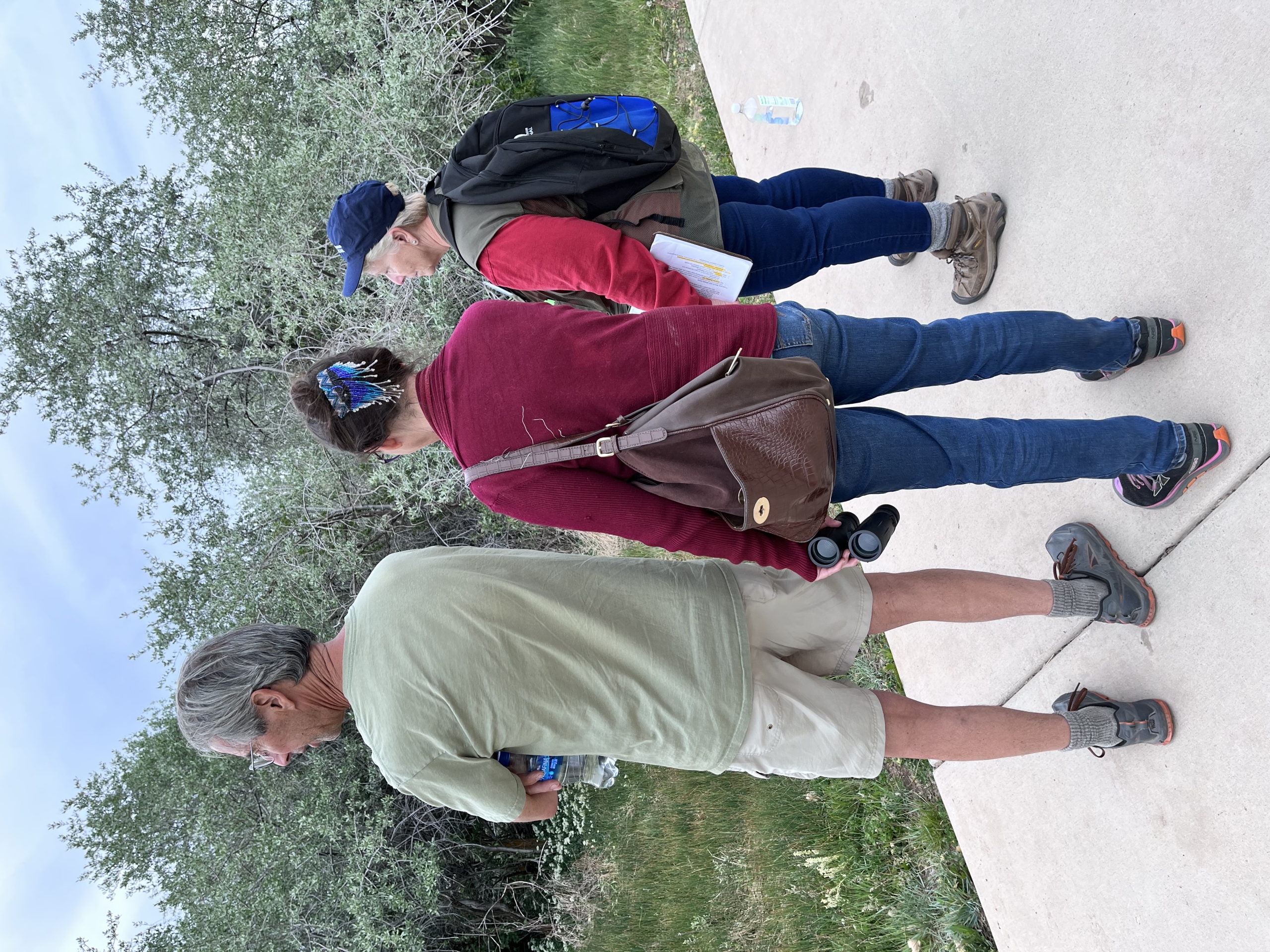
Pagosa River Walk Tour. Photo by Jeanette Pike.
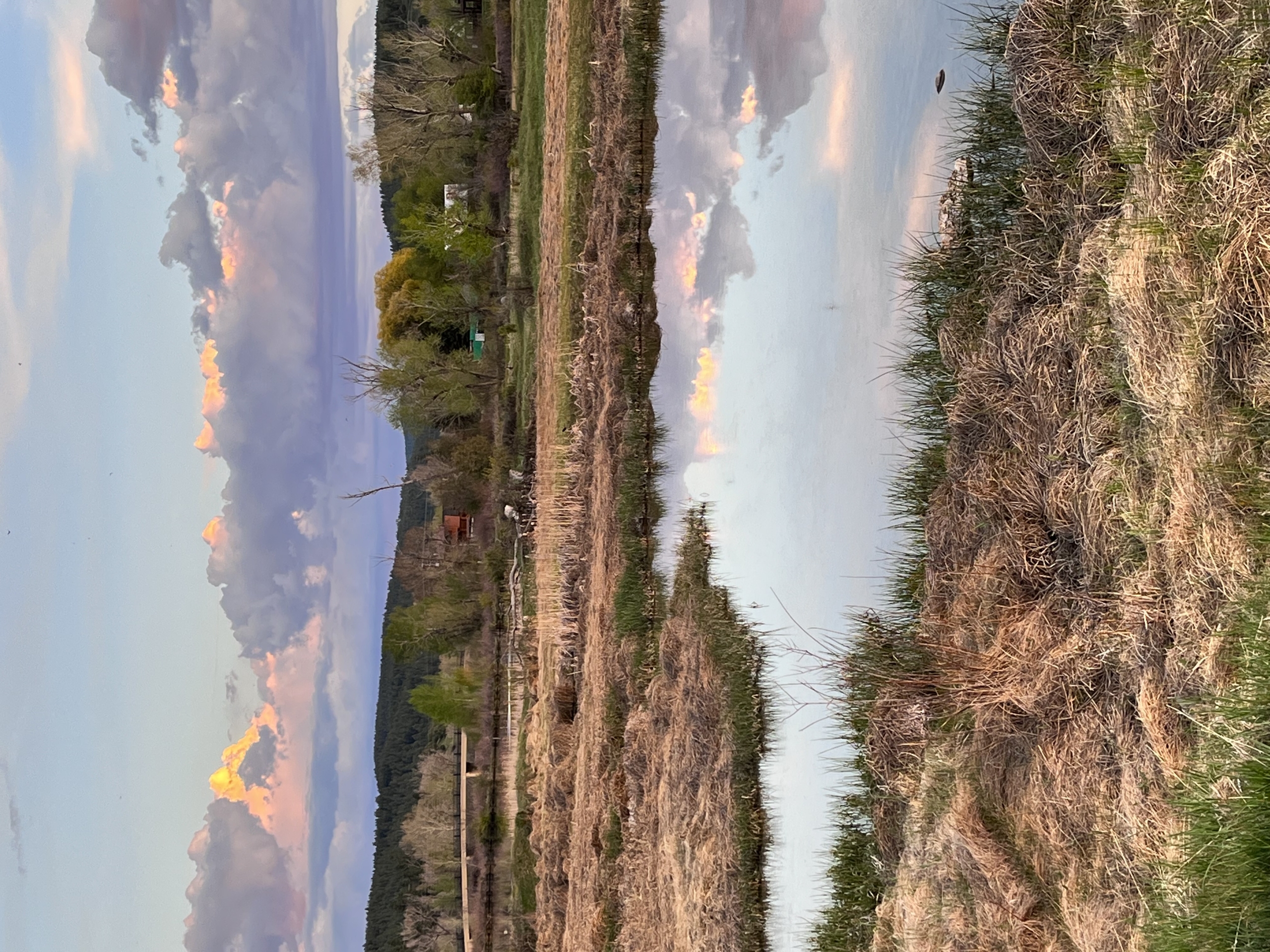
Pagosa Wetlands Pond. Photo by Jeanette Pike.
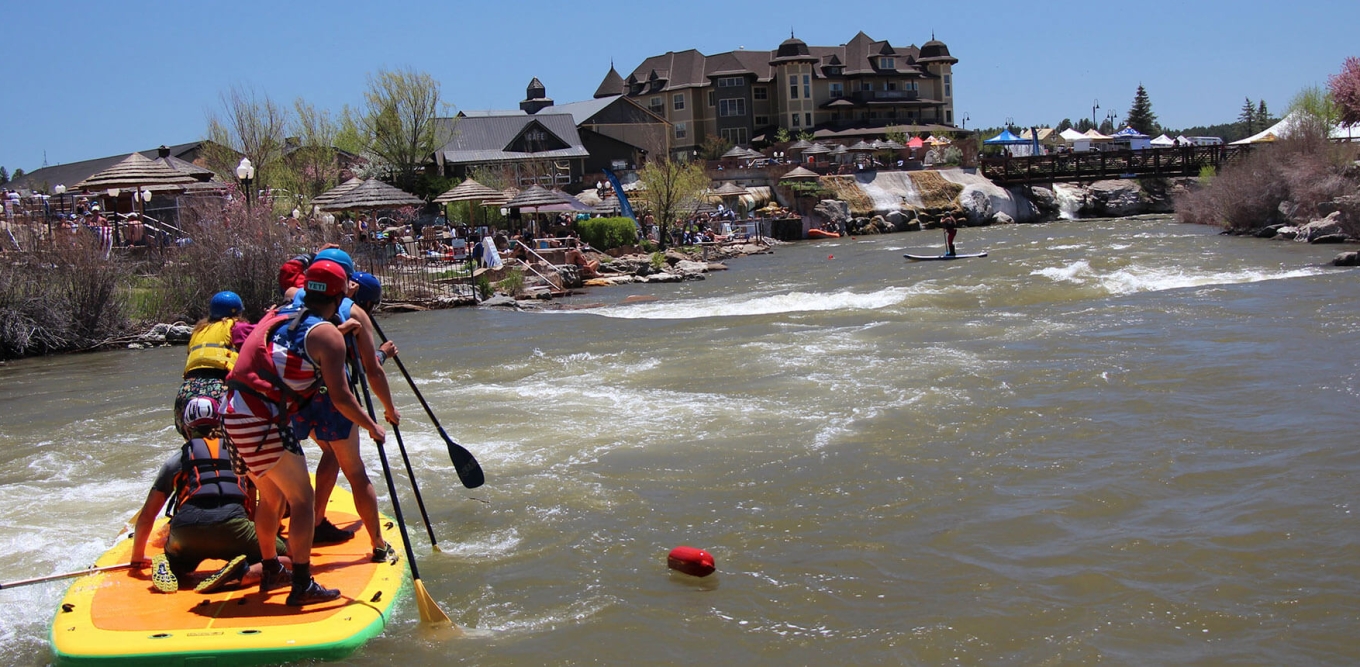
Learn more about The Springs Resort's community initiatives.
All Community Stories
Ruby Sisson Library Foundation
Pints, Pools, and Paddles
Don't Miss Out!
Sign up for deals, news & more.