
Colorado Hot Springs FAQs: Complete Guide to Planning Your Wellness Getaway
Planning your first Colorado hot springs trip? Whether you are looking for a weekend wellness retreat, a family vacation, or a first-time hot springs trip focused on better sleep and recovery, Colorado offers one of the most unique collections of naturally heated mineral springs in North America.
This FAQ-style guide answers the most common questions travelers ask while planning their hot springs getaway.
Colorado Hot Springs Planning at a Glance
| Question | Quick Answer |
|---|---|
| Best region for first-time visitors? | Southwest Colorado offers some of the state’s largest geothermal systems and dramatic mountain scenery. |
| Best time to visit? | Every season offers a different experience. Winter and fall are especially popular for soaking. |
| Day trip or overnight? | Overnight stays provide more flexibility, evening soaking, sunrise experiences, and access to wellness programming. |
| Family-friendly? | Yes. Many Colorado hot springs welcome children during designated hours. |
| Best option for couples? | Overnight stays with multiple pool temperatures create a more relaxing wellness-focused experience. |
| How long should you soak? | Experts share that even 10- to 20-minute soaking sessions provide benefits.1 |
Where Are Colorado Hot Springs Located?
Colorado’s geothermal activity is concentrated primarily along the Rocky Mountains, where naturally heated groundwater rises through geological fault systems.
Some of the state’s best-known regions include:
San Juan Mountains
Southwest Colorado
Central Colorado
Western Colorado
Arkansas River Valley
For many travelers, Southwest Colorado pairs mountain scenery and outdoor recreation with naturally occurring geothermal hot springs, making it a natural fit for a drive-to wellness escape.
How Long Does It Take to Get to Colorado Hot Springs?
| Destination | Denver, Colorado Drive Time | Colorado Front Range Drive Time | Durango, Colorado Drive Time | Santa Fe, New Mexico Drive Time | Dallas-Fort Worth, Texas Drive Time |
|---|---|---|---|---|---|
| San Juan Mountains | 5.5 to 6.5 hours | 4.5 to 7 hours | 1 hour | 4.5 hours | 12 to 13 hours |
| Southwest Colorado | 5.5 to 7 hours | 5 to 7.5 hours | 1 to 2 hours | 4 to 5 hours | 12 to 14 hours |
| Central Colorado | 2 to 3 hours | 1.5 to 3 hours | 3.5 to 5 hours | 5.5 to 7 hours | 11 to 13 hours |
| Western Colorado | 4 to 5.5 hours | 3.5 to 6 hours | 2 to 3.5 hours | 5 to 6.5 hours | 11 to 13 hours |
| Arkansas River Valley | 2.5 to 3 hours | 2 to 3 hours | 4 to 5 hours | 4.5 to 6 hours | 10.5 to 12.5 hours |
Drive times are approximate and will vary depending on your starting location, weather, mountain road conditions, and seasonal traffic.
What Makes the Colorado Hot Springs Water So Special?
Unlike heated pools, Colorado’s natural springs begin as snowmelt that travels deep underground through fractures in the Earth’s crust.
Natural geothermal mineral water is continuously replenished through underground geological processes rather than being artificially heated.
As the water descends, it is naturally heated by geothermal energy before rising back to the surface carrying dissolved minerals collected along its journey.
What Minerals Are in the Water?
These minerals in the water vary by location, but commonly include:
Calcium
Magnesium
Potassium
Silica
Sodium
Sulfates
Bicarbonates
Researchers continue studying exactly how mineral composition influences health outcomes. Current evidence suggests that many benefits associated with hot springs come from the combination of warm water immersion, buoyancy, relaxation, and repeated exposure rather than individual minerals alone.2
What Are the Benefits of Hot Springs Water?
Benefits commonly associated with thermal bathing include:
Gentle buoyancy that reduces pressure on joints.
Warm water that promotes muscle relaxation.
Opportunities for mindfulness and stress reduction.
Improved comfort after hiking or skiing.
A relaxing evening routine that may support healthy sleep habits.
Learn more about how warm mineral soaking supports recovery, relaxation, and sleep in our overview of hot springs health benefits.
Planning a Hot Springs Vacation
When Is the Best Time to Visit Colorado Hot Springs?
| Season | What to Expect | Best For |
|---|---|---|
| Winter | Snow-covered scenery, crisp air, warm geothermal pools | Couples, sleep wellness, holiday trips |
| Spring | Fewer crowds, mild temperatures, blooming landscapes | Relaxation, wellness retreats |
| Summer | Hiking, rafting, longer daylight | Families, outdoor adventure enthusiasts, wellness-focused travelers |
| Fall | Colorful foliage, cooler evenings, comfortable soaking | Couples, photographers, weekend escapes |
Many travelers consider fall and winter the most memorable seasons because of the contrast between cool mountain air and naturally warm geothermal pools, but Colorado hot springs are a popular year-round destination.
Day Pass vs. Overnight Stay
This is one of the biggest decisions travelers make. If you’re weighing a day pass against an overnight stay, it comes down to how much time you have and the kind of wellness experience you’re after.
Day passes are best for:
Travelers already planning to pass through the area
First-time visitors who are unsure if they will like the hot springs
Local residents
Guests that only have time for a short visit
Overnight stays are best for:
Guests seek a comprehensive wellness experience
Hot springs visitors who are seeking multiple soaking sessions
Travelers seeking a sleep-wellness experience
Families or couples looking for a multi-day getaway
How Far in Advance Should Guests Book a Hot Springs Visit?
Booking windows can vary throughout the year.
Consider booking early if you are traveling during:
Summer weekends
Fall foliage season
Winter holidays
Spring break
Three-day weekends
For peak travel periods, reserving accommodations several months in advance provides the greatest selection.
Midweek visits often offer greater availability and a quieter atmosphere, making them popular among guests seeking a sleep wellness-focused trip.
Will the Elevation Impact Me?
Many Colorado hot springs are located between 6,000 and 8,000 feet above sea level.
If you are arriving from lower elevations, you may notice:
Mild fatigue
Increased thirst
Faster breathing during activity
Headaches
Fortunately, a few simple habits can help:
Drink extra water.
Limit alcohol during your first day.
Eat regular meals.
Pace strenuous activity.
Allow time to acclimate before long hikes.
Soaking itself is generally relaxing, but staying hydrated is especially important when combining altitude with warm geothermal mineral water.
Maximizing the Hot Springs Experience
A few basic guidelines will help everyone best enjoy their time at the hot springs.
| Hot Springs Etiquette |
|---|
| Shower before entering pools |
| Stay hydrated |
| Take cooling breaks between long soaking sessions |
| Speak quietly |
| Respect posted age guidelines |
| Avoid glass containers |
What Temperature Should I Choose?
Many guests gradually work their way through different temperatures. All resorts offer a different variety of pool temperatures. For example, The Springs Resort in Pagosa Springs offers a wide spread of pool temperatures, from cold plunge pools around 45°F to hot soaking pools that reach roughly 112°F.
A common approach looks like this:
Start in a warm pool around 98°F to 100°F.
Move into a hotter pool around 102°F to 112°F.
Cool off outside or in one of the colder pools.
Repeat if desired.
Always listen to your body and exit the water if you begin feeling overheated or lightheaded.
What Should I Pack?
There are a number of essentials to pack for a hot springs trip:
Swimsuit
Sandals or water shoes
Refillable water bottle
Sunscreen
Hat
Sunglasses
Comfortable walking shoes
There are also some helpful extras:
Lightweight robe
Waterproof phone pouch
Small backpack
Moisturizer
Lip balm
Book or journal
During cooler months, warm layers make walking between pools much more comfortable.
Frequently Asked Questions
| Are Colorado hot springs good trips for families? |
|---|
| Yes, family-friendly hot springs resorts combine outdoor recreation with low-impact relaxation. Families often enjoy exploring multiple pool temperatures together. Look for locations that also have nearby attractions or downtown centers for a wider variety of family-friendly activities. For example, The Springs Resort is located in downtown Pagosa Springs, offering easy access to local restaurants and shops. |
| Are Colorado hot springs good trips for couples? |
|---|
| Many couples choose a hot springs retreat because it naturally encourages slowing down. Instead of filling every hour with activities, a hot springs resort focuses on rest, conversation, and spending quality time together. |
| Where should I book my first Colorado hot springs weekend trip? |
|---|
|
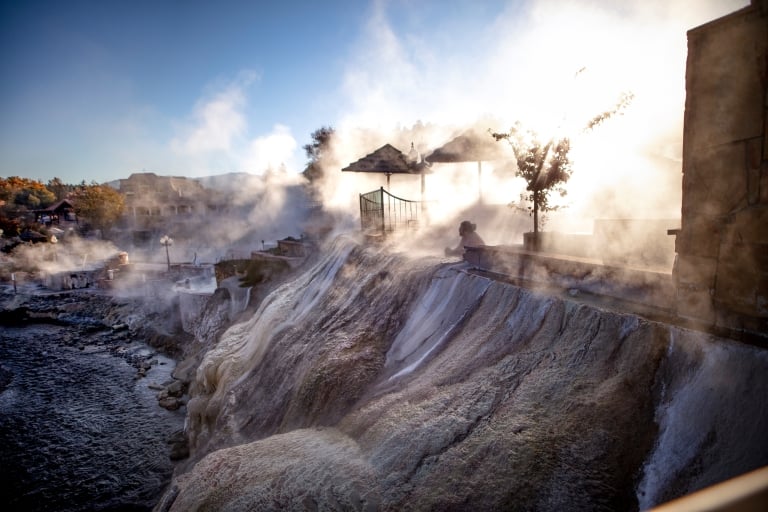
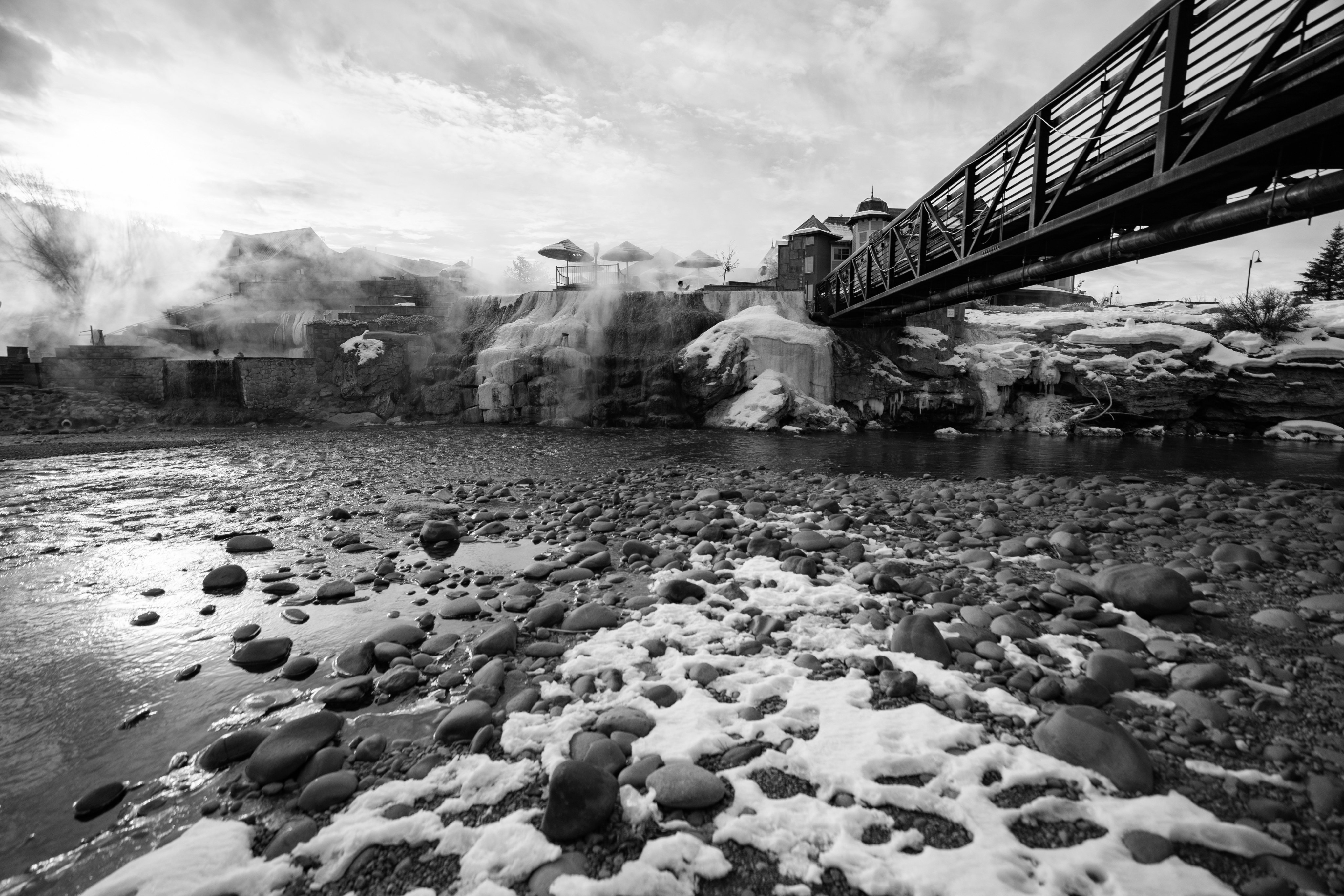
The Springs Resort is located in downtown Pagosa Springs along the San Juan River, offering natural mountain wellness immersion. It provides one of the most comprehensive hot springs wellness experiences in the United States with 50+ geothermal pools, more natural hot springs pools than any other single resort property in North America. Book your visit here: |
References
- Haghayegh, S., Khoshnevis, S., Smolensky, M. H., Diller, K. R., & Castriotta, R. J. (2019). Before-bedtime passive body heating by warm shower or bath to improve sleep: A systematic review and meta-analysis. Sleep Medicine Reviews, 46, 124–135.
https://doi.org/10.1016/j.smrv.2019.04.008 - Kamioka, H., Nobuoka, S., & Iiyama, J. (2020). Overview of systematic reviews with meta-analysis based on randomized controlled trials of balneotherapy and spa therapy from 2000 to 2019. International Journal of General Medicine, 13, 429–442.
https://doi.org/10.2147/IJGM.S261820
Don't Miss Out!
Sign up for deals, news & more.