Contrast Bathing Therapy
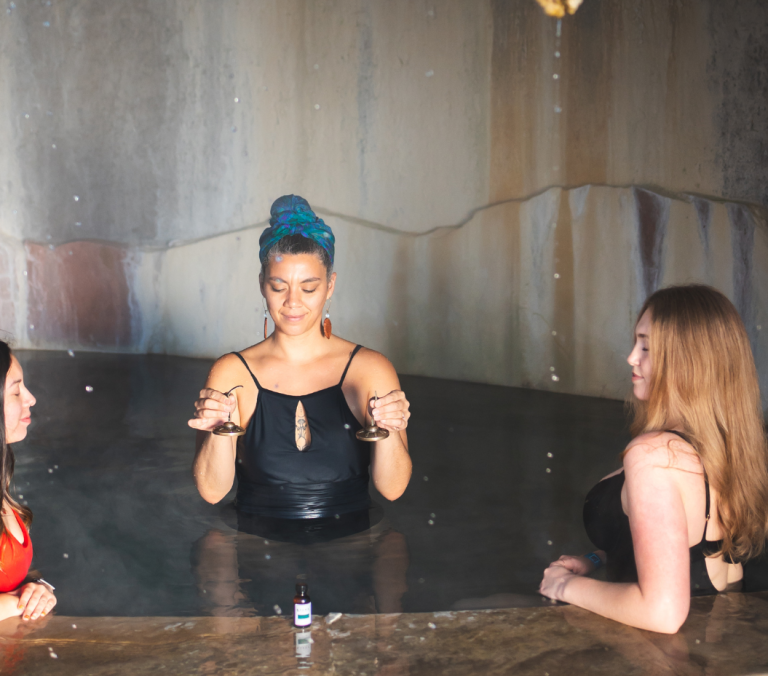
Contrast bathing is a long-practiced hydrothermal therapy that involves alternating soaking in hot and cold water. Heat therapy provides several benefits for your physical and mental wellbeing. The benefits begin to be felt immediately and increase with time.
Contrast bathing therapy increases blood circulation, flushes the body of toxins, and reduces muscle inflammation. It is a natural way to exercise your vascular system by expanding and constricting your blood vessels.
This therapy, the process of repeatedly immersing yourself in hot and cold water, is common among athletes and wellness advocates. It can be practiced by any hot spring soaker, too.
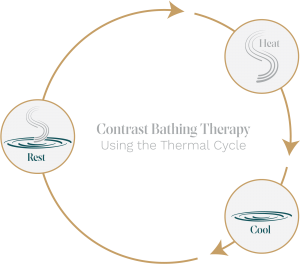
How to Maximize Your Contrast Bathing Therapy
Begin
Start with a brief soak in a warm pool long enough to acclimate your body to the ambient temperature.
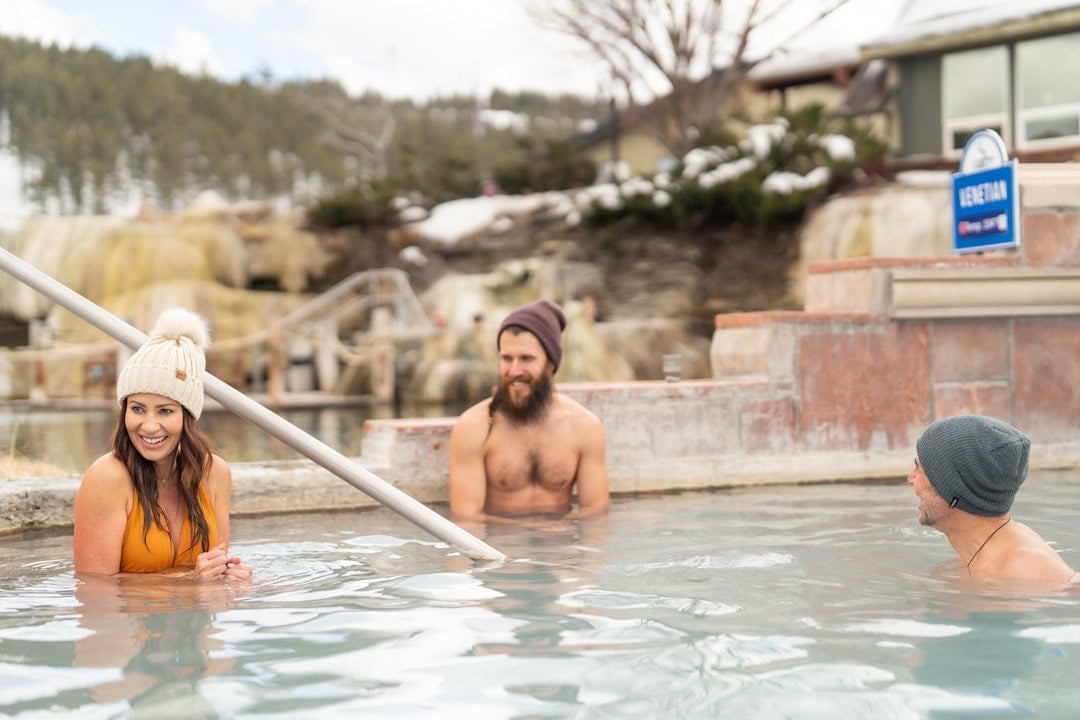
Next, soak in a hot pool. Soaking in hot water increases your blood circulation, bringing oxygen-rich blood to your organs, tissues, and extremities. Relax as the hot water soothes your body and eases sore muscles.
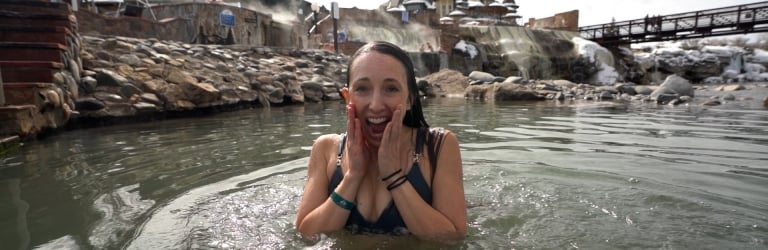
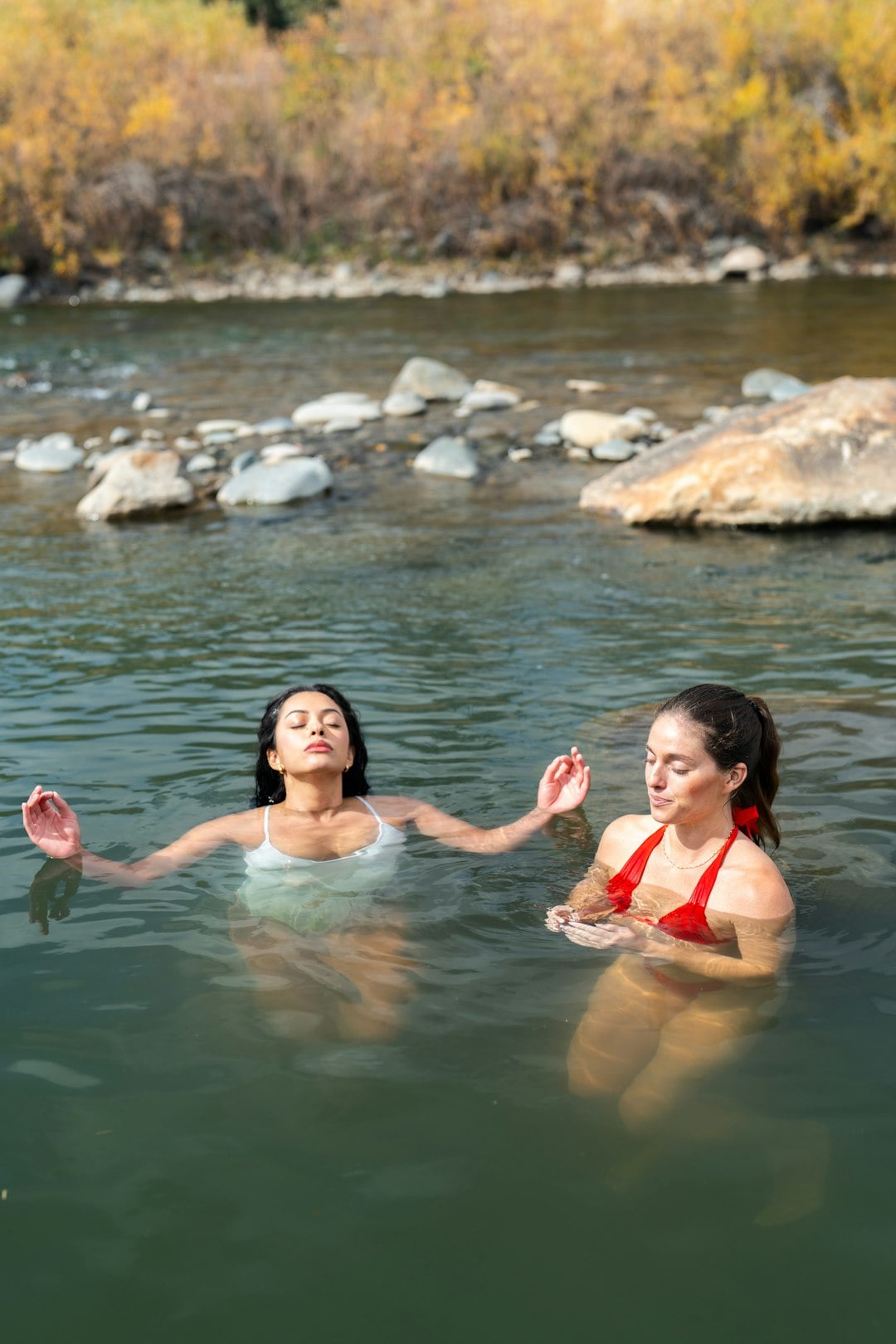
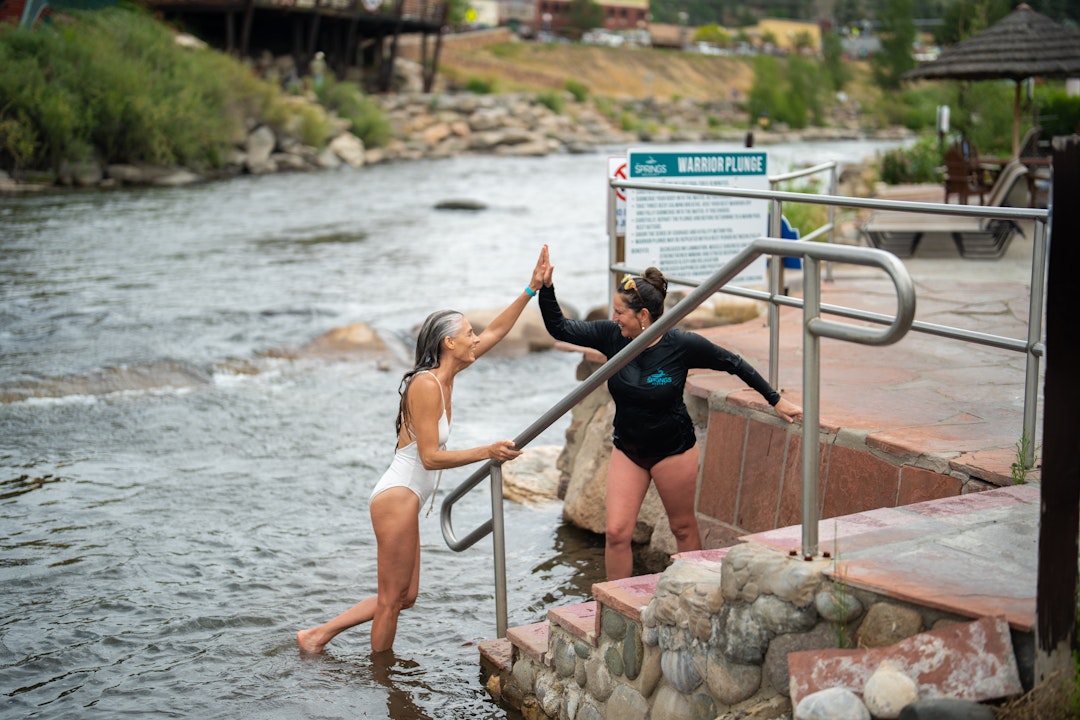
After you soak in a hot pool, find a cold pool and immerse your body. The colder the pool, the better.
Next
The cold water will constrict your blood vessels and force blood to your core and internal organs such as the liver and kidneys, aiding in detoxifying your system. The constriction is a natural way to exercise your smooth mussels and blood vessels, thus helping to maintain their elasticity.
Relax and take three calm, deep breaths.
Emerging from your cold soak and rest outside of the water. Let your body return to a state of neutral or homeostasis. Repeat the process by returning to a hot pool.
Here are a few guidelines for your hot soak. Find a pool with a water temperature between 102 degrees and 112 degrees Fahrenheit or between 38 and 44 degrees Celsius.
Your hot soak duration depends on the water temperature you are in, but 5 to 10 minutes of soaking will help warm your core before cold immersion.
Here are a few guidelines for your cold soak. Immerse yourself in water with a temperature below 60 degrees Fahrenheit or 16 degrees Celsius, and remain in the water for around 1 minute for the most benefit.
Finish
During a contrast bathing session, it’s vital to stay hydrated with quality water. Moreover, if you have heart or blood pressure-related health concerns, please exercise caution.
Once you’ve experienced all-natural contrast bathing, we invite you to take the experience home with you. It is possible to contrast bathe in your home shower.
Before you exit your hot shower, turn your water to as cold as it can get. Take turns immersing your limbs and extremities one at a time until you can stand under the cold water. Exit the shower after your cold plunge for an invigorating and energizing start to your day.
This version of enhanced wellness is a way to embrace life while improving your resilience to impurities and overall health and wellbeing.


Don't Miss Out!
Sign up for deals, news & more.