Dr. Marcus Coplin, ND
We are living in a culture that knows sleep matters, but has forgotten how to protect it.
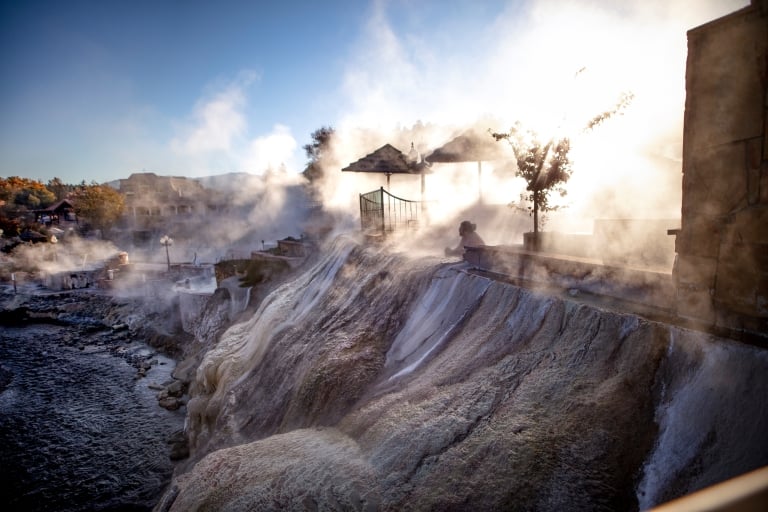
At The Springs Resort, restorative sleep is not treated as an afterthought. Mineral-rich waters, natural light, movement, nourishing food, and intentional wellness practices create an environment where the body can begin to return to rhythm.
Andrew McHill, Ph.D., a researcher at OHSU’s School of Nursing and Oregon Institute of Occupational Health Sciences, has put into scientific language something that clinicians who work in integrative medicine have been observing for years: getting a good night’s sleep will improve how you feel, and how long you live. His recent work linking fewer than seven hours of nightly sleep to measurably reduced life expectancy is part of a growing body of research that has moved sleep from a soft wellness recommendation into one of the most well-documented longevity interventions available. The research is clear in a way that should prompt people to treat their relationship with sleep with the same seriousness they bring to diet, exercise, or any other aspect of their health practice. And yet the gap between what people know about sleep and what they actually protect in their daily lives remains wide, and I think the reason for that gap is worth examining, because it is changing.
Why People Are Finally Seeking Sleep as a Destination
People are exhausted, and I say that not as a general observation but as a clinical one. The fast pace of modern life, the frenetic blurring of technology into what used to be private and restorative time, the ever-present background noise of global, political, and economic tension that follows us through our devices into our bedrooms and into our nervous systems, all of this has created a population that is chronically under-restored in a way that accumulates silently until it becomes impossible to ignore. Being able to truly dedicate time and intention to deep restoration has become something that requires deliberate effort and, increasingly, deliberate travel.
This is not lost on the hospitality industry, which is undergoing a genuine cultural shift in how it understands its own role. A hotel room is not four walls and a bed. It is, or it can be, a restorative environment, and more and more hospitality brands are making direct choices to treat the sleep element of a guest’s stay as a focused clinical amenity rather than an afterthought. What was once called wellness travel is developing a more specific and scientifically grounded expression in what researchers and travel writers are now calling sleep tourism, and the demand driving it is not a trend. It reflects a population that has reached the limits of what it can sustain without recovery.
“Sleep is no longer a soft wellness recommendation. It is one of the most powerful longevity interventions available.”
What Sleep Actually Is, and Why a Resort Environment Can Reset It
To understand why an intentional stay at a mineral hot springs resort can do something that a weekend at home often cannot, it helps to understand what sleep actually is at the physiological level. Sleep is not a passive absence of wakefulness. It is one of the most metabolically active and architecturally complex states the body enters, and its functions reach into nearly every system that governs health, resilience, and longevity.
During the slow-wave stages that dominate the first half of the night, the body prioritizes physical repair—releasing growth hormone, rebuilding tissues, strengthening immune function, and processing the hormonal and metabolic byproducts of the day. During the REM-dominant stages that concentrate later in the night, emotional processing, memory consolidation, and the regulation of stress resilience take place.
When sleep is shortened or fragmented, both sets of functions are compromised. The effects accumulate across immune health, cardiovascular function, metabolic flexibility, cognitive performance, and mood regulation in ways that directly influence long-term well-being.
Cortisol offers one of the clearest examples. The body naturally builds cortisol in the early morning as part of a healthy awakening response. But when sleep is insufficient or poorly timed, cortisol often rises earlier and remains elevated longer than it should. The result is a pattern that can disrupt digestion, reduce progesterone availability, impair insulin sensitivity, and create the feeling of being simultaneously exhausted and overstimulated.
This is not simply a consequence of a busy lifestyle. It is often the biological result of a disrupted rhythm—and rhythm can be restored.
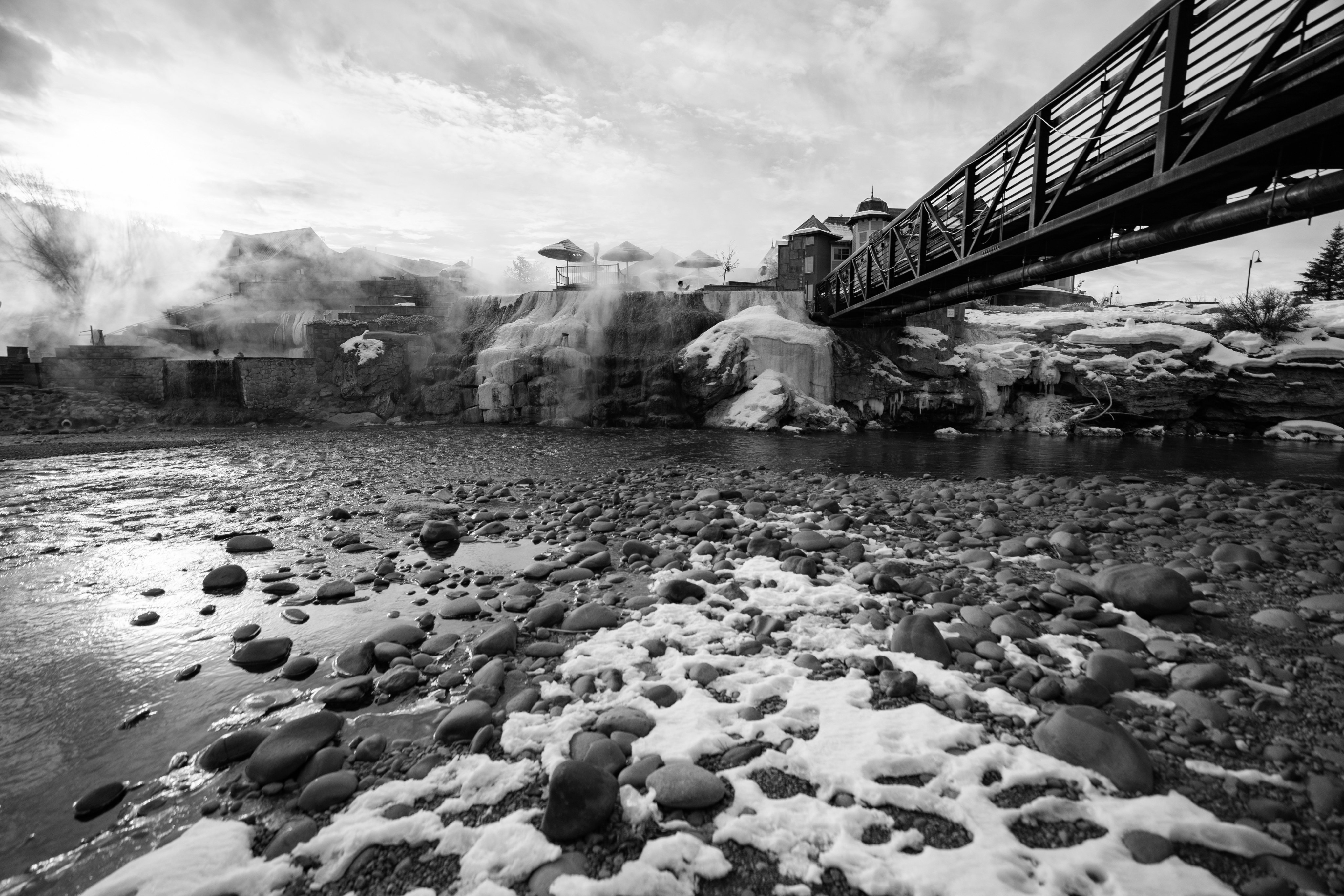
Over years of clinical practice and through my work at Murrieta Hot Springs Resort and The Springs Resort in Pagosa Springs, I have observed that the environment itself can become part of the intervention. A thoughtfully designed wellness retreat provides something that is difficult to replicate at home: temporary relief from the inputs that continuously reinforce stress and dysregulation.
When artificial light, constant digital stimulation, erratic schedules, and blood sugar instability are replaced with natural circadian cues, thermal bathing, mineral-rich waters, nourishing food, movement, and restorative spaces, the body’s innate regulatory intelligence often reasserts itself with surprising speed. In many cases, the first sign of that shift is better sleep.
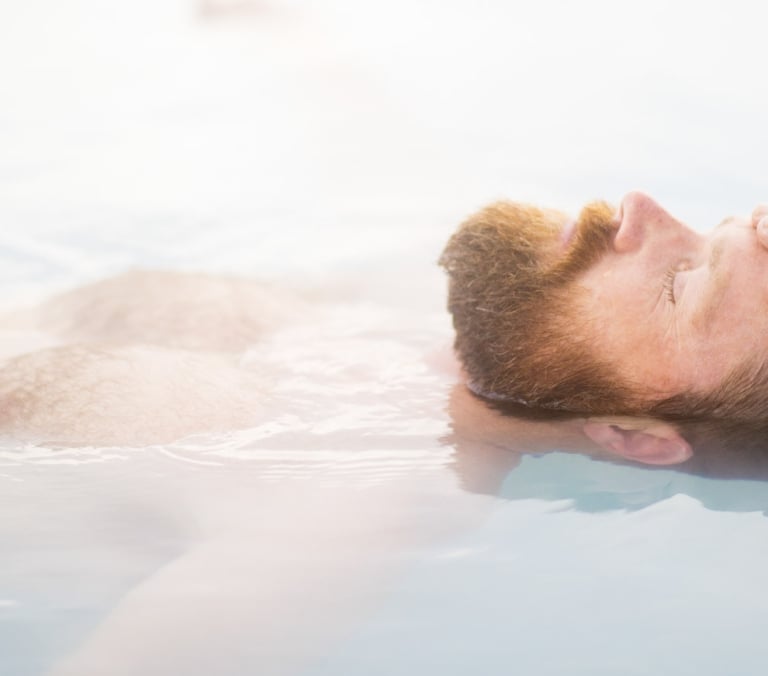
Warm water immersion is not simply pleasant—it is biologically relevant to the quality of the sleep that follows.
Why Hot Springs Work
At the center of what makes a hot springs environment therapeutically distinct is hydrothermal cycling, which is the practiced alternation of hot mineral water immersion, cooler water, and periods of rest that is sometimes called contrast bathing and has been the foundation of medicinal spa traditions across Europe, the Near East, and East Asia for centuries. Warm water immersion dilates blood vessels, improves peripheral circulation, relaxes muscular tension, soothes the autonomic nervous system, and reduces the systemic inflammation that makes it harder for the body to enter and sustain deep sleep. For many guests, particularly those arriving from lives organized around chronic stress and irregular schedules, even a single session of hydrothermal cycling produces a measurable shift in how the body feels by evening, and the cumulative effect across several days reaches into the nervous system’s baseline in ways that guests describe as a felt change in who they are in their own body.
The thermal mechanism for sleep improvement is worth being precise about. Core body temperature follows a circadian curve, dropping in the hours before and during sleep as part of the signal that guides the body into its rest phase, and warm water immersion in the evening accelerates this process by drawing blood to the periphery and allowing heat to dissipate rapidly after the soak ends, which deepens the body’s sleep-onset signal and improves both the speed with which sleep arrives and the depth of the architecture that follows. This is why an evening soak at the springs, taken as part of a deliberate wind-down sequence, is not simply pleasant but is mechanistically relevant to the quality of the sleep that follows.
The mineral content of natural hot spring water adds another dimension. Magnesium, which is present in significant concentrations in many thermal mineral waters and is absorbed transdermally during soaking, is one of the most important cofactors in sleep regulation and stress hormone metabolism, serving as an essential element in the production of both GABA, the brain’s primary inhibitory neurotransmitter, and melatonin, the hormone that anchors the circadian clock. Magnesium deficiency is widespread in modern populations and directly impairs both the neurochemistry of rest and the body’s resilience under stress, and soaking in mineral-rich water contributes to a pool of inputs that collectively support the physiological conditions for deep sleep.
Nature, Movement, and the Foundations of Circadian Rhythm
☀️
Morning
Light
Morning sunlight helps anchor the body’s natural sleep-wake rhythm.
🚶
Daily Rhythm
Movement
Gentle activity helps regulate cortisol and reinforce circadian flow.
💧
Evening Ritual
Soak
Thermal bathing supports the body’s natural transition into rest.
🌙
Recovery
Sleep
Deep sleep is where repair, recovery, and renewal occur.
A hot springs stay is not only about the water, and understanding why its benefits persist after guests return home requires understanding the full picture of what the environment provides. Natural light cycles, the soft quality of light at dusk and dawn that differs from anything an indoor environment produces, reset circadian cues at the level of the suprachiasmatic nucleus, the brain’s master clock, which uses morning light to synchronize every downstream physiological process including the melatonin release that will occur fourteen to sixteen hours later. The simple practice of stepping outside in the morning and allowing natural light to reach the eyes, something that happens almost automatically in a resort environment and almost never by default in a normal urban day, is among the most evidence-backed and underused circadian interventions available.Movement at the appropriate times of day, whether that is a gentle hike in the morning, yoga, guided mobility, or a walk along the water, reinforces daily metabolic rhythm, supports hormonal regulation, and helps clear the cortisol of the awakening response in a way that frees the parasympathetic system to do its work through the rest of the day. Breathwork and light activity support circulation, lymphatic drainage, and autonomic balance in ways that compound over a multi-day stay, creating a systemic shift that reaches into the sleep architecture itself, not just for one night but for the duration of the stay and into the habits that guests carry home.
Nutrition and the Biochemistry of Recovery
Sleep reset depends significantly on what happens long before a person lies down, because the hormonal and metabolic conditions of sleep are determined across the full arc of the day rather than only in the hour before bed. The cuisine at Murrieta Hot Springs and The Springs Resort is built around seasonal, nutrient-dense foods that stabilize blood sugar, support digestive function, and reduce systemic inflammation, all of which have direct bearing on sleep hormone production, cortisol regulation, and the metabolic flexibility that allows the body to shift cleanly into its repair cycle overnight. Finishing the last meal at least three hours before bed reduces the blood sugar fluctuations and digestive activity that disrupt sleep continuity in the later part of the night, and a small protein snack in the earlier evening hours, if energy and blood sugar tend to drop, can stabilize the overnight metabolic environment without creating a digestive burden at bedtime.
The SLEEP WELL Path to Restorative Sleep
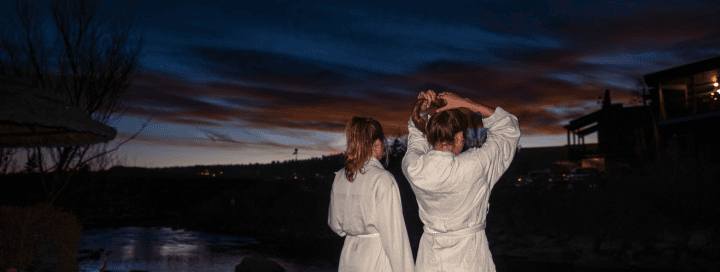
At The Springs Resort, we developed the SLEEP WELL program to give guests a concrete and teachable framework for the practices that, taken together, create the conditions for restorative sleep. Every guest receives a nightly wind-down ritual alongside general guidance on how to punctuate the day with restorative practices that enhance and extend the effects of the springs themselves. The framework is organized around eight principles that address the full biological and environmental picture of sleep rather than treating it as a single-variable problem.
Sleep Framework
The SLEEP WELL Method
Nine evidence-based practices that help restore circadian rhythm and support deeper, more restorative sleep.
🕒 S — Same Time
Holding to a regular bedtime and wake time is one of the most powerful circadian regulators available, because the body’s hormonal, digestive, and neurological processes are all organized around a consistent schedule and drift quickly when that schedule is allowed to vary, as it often does across weekdays and weekends in ways that produce a form of chronic circadian misalignment even in people who consider themselves good sleepers.
🌑 L — Light or Lack Thereof
Creating a dark and quiet sleep environment, free of electronic devices and ambient light sources, protects melatonin production at precisely the time it is most needed and removes the circadian signals that tell the brain to remain alert, because the suprachiasmatic nucleus interprets even low-level light exposure during the sleep period as a cue to suppress the hormonal chemistry of rest.
🍽️ E — Eating Time
Finishing the last meal at least three hours before bed minimizes the blood sugar fluctuations and digestive activity that fragment sleep in the night’s latter hours, when the body is designed to be running its deepest repair cycles rather than processing a late dinner.
📵 E — Electronic-Free
Avoiding screens for at least thirty to a hundred and twenty minutes before bed limits exposure to the blue-spectrum light that suppresses melatonin production and delays circadian sleep onset, and it creates the transition space in which the nervous system can genuinely begin its descent from the day’s activation toward the coherent stillness that restorative sleep requires.
☀️ P — Prepare with Sunlight
Fifteen to twenty minutes of morning sunlight exposure sets the natural sleep-wake rhythm by giving the suprachiasmatic nucleus the environmental cue it uses to time every downstream hormonal and physiological event of the day, including the melatonin release that will drive that evening’s sleep onset.
💧 W — Water Bath
An evening hot springs soak or warm bath as part of the wind-down ritual improves both sleep onset and sleep quality through the thermoregulatory mechanism described above, and is one of the most evidence-backed and experientially compelling tools available for people who have struggled with falling or staying asleep.
🌡️ E — Environment
Keeping the bedroom temperature around sixty-seven degrees Fahrenheit supports the core body temperature drop that deep sleep requires and reduces the thermal burden on the hypothalamus that otherwise shortens or fragments slow-wave sleep stages.
☕ L — Limit Caffeine
Caffeine has a half-life of approximately five to six hours in most people, which means that an afternoon coffee consumed at three in the afternoon still has half its stimulating effect present in the system at eight or nine in the evening, and limiting intake in the hours before bed allows the adenosine accumulation that drives the feeling of sleepiness to build unimpeded toward its natural expression at the appropriate time.
🍷 L — Libations or Lack Thereof
Alcohol, though it often accelerates sleep onset through its sedative properties, fragments sleep architecture in the second half of the night by suppressing REM sleep and increasing the likelihood of early awakening, which means that its overall effect on sleep quality is reliably negative even when it feels initially helpful.
What a Stay Can Change That a Weekend at Home Often Cannot
The most valuable aspect of sleep tourism, in my clinical view, is not what it delivers during the stayStay but what it reminds the body is possible. When someone intentionally sets out to achieve a few nights of genuinely revitalizing sleep in an environment built to support it, they bring home an embodied experience of what wholeness feels like, not an abstract goal or a sleep score from a wearable device but an actual felt memory of what it is like to wake up restored. That memory becomes the reference point from which people make changes, sometimes foundational ones, and sometimes more powerfully, the small micro-adjustments to daily habit that are simple enough to sustain and significant enough to hold the gains.
In my years of clinical work and in the guest experiences I have observed across both resorts, I have rarely seen a more reliable combination for sleep reset than the one that a mineral hot springs stay provides: hydrothermal therapy that resets the autonomic nervous system, natural circadian cues that recalibrate the internal clock, mineral-rich water that supports the neurochemistry of rest, seasonal nutrition that stabilizes the metabolic environment of sleep, movement that reinforces daily rhythm, and a physical environment that communicates safety to a nervous system that has forgotten what safety feels like at rest. The research supports every element of this. The experience of it speaks for itself.
Prof. McHill is right that a good night’s sleep will improve how you feel and how long you live. What I would add, from the perspective of a physician who has spent years working at the intersection of hydrothermal medicine and integrative care, is that the path back to that sleep is not complicated, it simply requires the right conditions, and those conditions are exactly what we have built.
Dr. Marcus Coplin, ND is the Medical Director at The Springs Resort in Pagosa Springs, CO and Murrieta Hot Springs Resort in Murrieta, CA, and Chief Medical Director at Bastyr University. He is the leading authority on hydrothermal medicine and the therapeutic use of natural hot springs in North America, and serves as Director of Hydrothermal Medicine for the Balneology Association of North America.
Don't Miss Out!
Sign up for deals, news & more.